
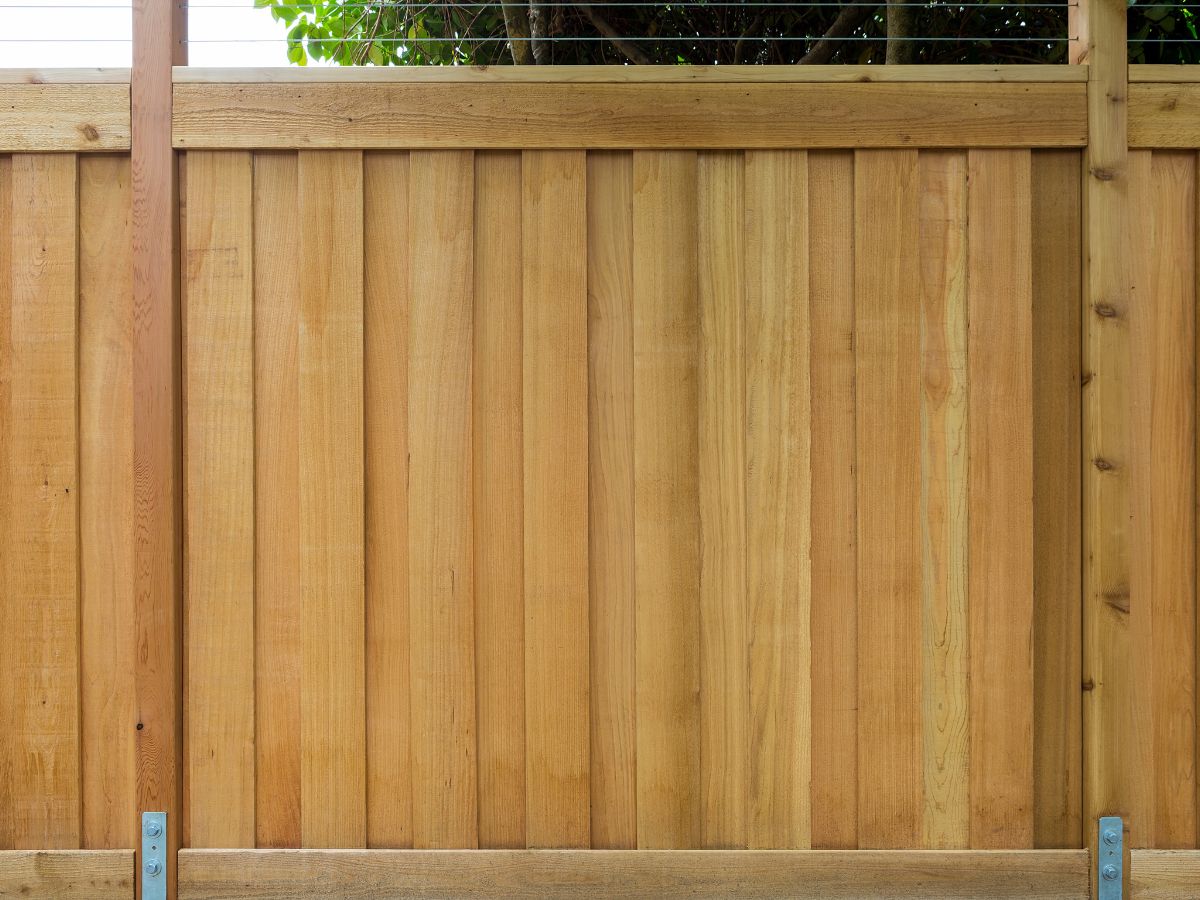
You just installed a beautiful cedar fence. It smells fresh, looks incredible, and adds serious curb appeal to your property. But look out the window a few months from now, and you might notice that vibrant, reddish-brown hue starting to fade into a dull, silvery gray. While some people love the weathered look, gray wood is actually sun-damaged wood. If you want to keep that installation looking brand new, you need to find the right cedar fence stain.
Choosing a stain isn’t as simple as picking a color you like. You have to navigate through oil-based options, water-based acrylics, solid colors, and semi-transparent finishes. The wrong choice can peel within a year, while the right choice can protect your investment for half a decade or more.
In this guide, we will break down exactly how to choose a stain that offers maximum longevity, protects against harsh weather conditions, and maintains the natural beauty of your wood.
Why Cedar Needs Protection
Before you start comparing products, it helps to understand the wood you’re working with. Western Red Cedar has natural oils that make it resistant to rot and insects, which is why it’s such a popular pick for outdoor projects. Still, it needs the right cedar fence stain to reinforce that protection and keep the wood from breaking down over time.
The two biggest enemies of your cedar fence are moisture and sunlight. When wood absorbs water from rain or morning dew, it swells. As it dries out in the sun, it shrinks. This constant cycle of expansion and contraction causes the wood to crack, warp, and split over time.
Simultaneously, UV rays from the sun blast the surface of the wood. This ultraviolet light breaks down the lignin, which is the natural glue holding the wood fibers together. As the lignin degrades, the wood turns gray and the surface becomes fuzzy or loose. To stop this, you need a fence stain that acts as a shield.
Understanding the Types of Stains
When you walk into a hardware store, the wood stain aisle can feel overwhelming. To choose the right cedar fence stain for long-lasting protection, it helps to understand the two key categories that matter most: opacity and composition.
1. Opacity: How Much Grain Do You Want to See?
Opacity in a cedar fence stain determines how much of the natural wood grain remains visible. This feature is crucial for both the fence’s appearance and its UV protection.
- Clear Sealers/Toners: These allow the wood to look completely natural. While they are great for showing off the grain, they offer the least amount of protection. Clear sealers lack the pigments necessary to block the sun. They usually need to be reapplied every year.
- Semi-Transparent Stains: For most homeowners, a semi-transparent stain is the sweet spot. These products contain enough pigment to block harmful UV light but are sheer enough to let the wood grain show through. They typically last 3 to 5 years.
- Solid Color Stains: These look almost like paint. They hide the grain completely but allow the texture of the wood to show. Because they are loaded with pigment, they offer the highest level of protection against the sun. However, if they fail, they tend to peel and chip, which makes re-staining difficult.
2. Composition: Oil-Based vs. Water-Based
The base of the stain determines how it interacts with the wood.
- Oil-Based Stains: Traditionally, these are the gold standard for cedar. An oil-based stain penetrates deep into the wood fibers, replenishing the natural oils that weather out over time. They are excellent at repelling water and create a rich, natural look. They fade gradually, which makes re-application easy since you don’t usually have to strip the old finish.
- Water-Based (Acrylic) Stains: Modern water-based stains have come a long way. They sit on top of the wood rather than soaking in deeply. They create a “breathable film” that resists mildew and retains color very well. Furthermore, they dry quickly and are easier to clean up, but prepping the wood for a re-coat can be more labor-intensive down the road.
Key Factors for Maximum Longevity
If you want a finish that truly lasts, you can’t rely on the cheapest option. You need a cedar fence stain with the right features to protect the wood and keep it looking its best.
UV Protection is Non-Negotiable
Think of the stain as sunscreen for your fence. A clear coat is like SPF 5, while a solid stain is like SPF 50. The pigment in the stain absorbs the UV radiation, so the wood doesn’t have to. If your fence is in a south-facing area with zero shade, you must prioritize high-quality pigments. Look for labels that explicitly mention “UV blockers” or “trans-oxide pigments,” which are ground finely to provide better clarity and protection.
Water Repellency
A good stain should cause water to bead up on the surface rather than soaking in. This prevents the “sun rain” cycle we mentioned earlier. If water soaks into your fence boards, it creates a breeding ground for mold and mildew, which will eat away at the finish and the wood.
Anti-Mildew Additives
Cedar is naturally rot-resistant, but surface mold can still grow on the stain itself, especially in damp, shaded corners of your yard. High-quality stains and sealers include mildewcides that prevent black spots and green algae from taking root.
Flexibility
Your fence creates a dynamic surface. It moves, twists, and breathes. If you put a rigid coating (like cheap exterior paint) on a flexible surface, it will crack. You need a high-quality stain that remains flexible after it cures, moving with the wood during temperature shifts.
The Application: Making the Stain Last
Even the best cedar fence stain won’t hold up if it’s applied the wrong way. Most of the longevity comes from proper prep work, while the product itself plays a smaller role.
Moisture Content Matters
Never stain cedar when it is wet. If the wood pores are full of water, they cannot absorb the oil or bind with the acrylic. Most professionals recommend using a moisture meter. You generally want the moisture content of the wood to be below 15% before applying any finish.
Clean Before You Stain
Even new wood needs cleaning. New lumber often has “mill glaze,” a shiny surface created by the heat of the planing blades at the lumber mill. This glaze prevents the stain-penetrating action we need. You should use a wood cleaner and a brightener to open up the pores of the wood. If the fence is older, you must remove all dirt, gray wood fibers, and mildew before applying fresh stain.
Watch the Weather
Do not apply stain in direct sunlight on a hot day. If the surface is too hot, the liquid evaporates too quickly. This prevents the stain from soaking in properly and can lead to lap marks and peeling. A cloudy day with moderate temperatures is ideal for this project.
Featured Question: How often does a cedar fence need to be stained?
For the best protection, a cedar fence should be stained every 3 to 5 years.
The exact timeline depends on the exposure and the stain type. A transparent sealer might only last 1 to 2 years, while a high-quality solid stain can last 5 to 7 years. You can test your fence by sprinkling water on the boards. If the water beads up, your protection is fine. If the water soaks in immediately and darkens the wood, it is time to re-stain.
Choosing the Right Color for Longevity
Believe it or not, color affects how long your stain lasts.
- Darker Colors: Dark browns, redwoods, and solid colors contain more pigment. More pigment means better protection against UV damage. However, darker colors absorb more heat, which can sometimes cause slightly more warping in extreme climates.
- Lighter Colors: Honey tones and cedar tones look beautiful and natural. They reflect more sunlight, keeping the wood cooler. However, because they have less pigment, they may fade faster than their darker counterparts and require more frequent maintenance.
Common Mistakes to Avoid
To ensure your fence stands strong against the elements, steer clear of these common errors.
- Staining Too Soon: If you used “green” (unseasoned) cedar, it has a high moisture content. You usually need to let new cedar cure for 3 to 5 weeks before staining so it can dry out.
- Using Indoor Stain: This sounds obvious, but it happens. Interior stains lack the UV inhibitors and fungicides required for outdoor use. They will fail within months.
- Over-application: More is not always better. If you apply too much oil stain, it won’t dry. It will sit on the surface and become a sticky mess that attracts pollen and dirt. Apply thin coats and back-brush to work it into the grain.
Conclusion
Your cedar fence is an investment in both security and curb appeal, and it needs the right protection to stay in good shape. Leaving the wood exposed shortens its lifespan, but choosing a high-quality cedar fence stain and applying it properly can keep it looking strong for years.
Think about your local climate when selecting a product. In rainy areas, look for a cedar fence stain with strong waterproofing and mildew resistance. In sunnier regions, pick one with reliable UV protection and rich pigment. With the right stain and proper care, your fence will stay a clean, attractive backdrop for your outdoor space for a long time.
Ready to Upgrade Your Property?
If you are looking for professional advice or need high-quality fencing materials delivered directly to your project site, check out Perimtectx. They specialize in innovative fencing solutions that combine durability with modern design.