
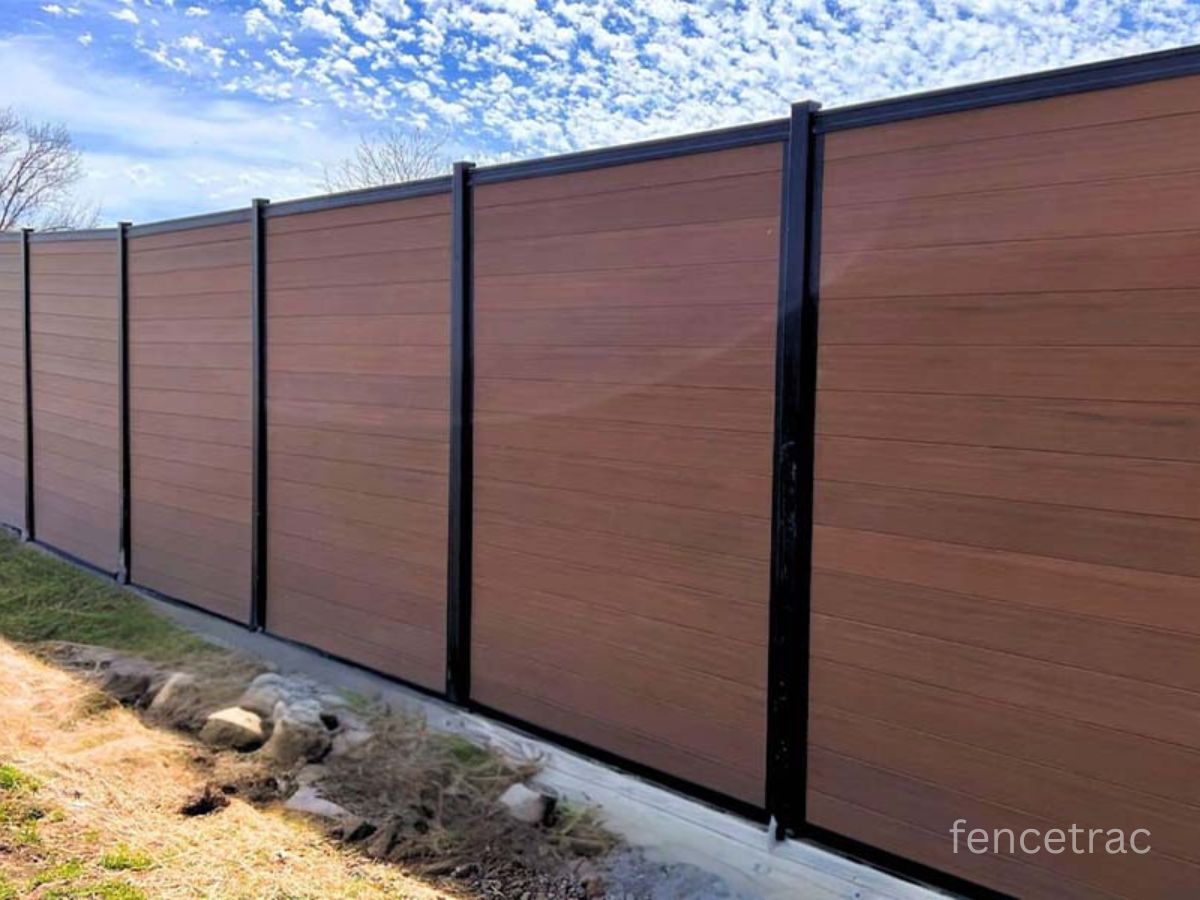
Building a new fence is a significant investment for any homeowner. It changes the look of your property, adds privacy, and secures your yard. When you start researching options, you quickly realize that the days of choosing between just cedar or pine are over. Today, many homeowners are turning to fence composite material for a blend of durability and style that traditional wood simply cannot match.
Making the switch to modern materials can feel overwhelming because there are so many brands and types available. You want something that looks great on day one and stays that way for years. You also want to ensure you are getting value for your money. This guide will walk you through everything you need to know to select the right material for your specific needs, climate, and aesthetic preferences.
Evaluating Durability and Weather Resistance
One of the primary reasons people move away from wooden fences is maintenance. Wood is organic. It absorbs water, it swells, it shrinks, and eventually, it rots. When you are shopping for a composite, your first priority should be investigating its weather resistance.
A high-quality fence composite material is engineered to withstand harsh elements. Whether you live in an area with heavy rainfall, scorching sun, or freezing winters, the material needs to hold up. Look for products explicitly labeled as water-resistant. This resistance is crucial because it prevents mold and mildew from taking root deep inside the boards.
Unlike traditional materials that might require staining or sealing every year or two, fencing is designed today to be virtually maintenance-free. You should ask manufacturers about the specific technology used to cap or seal the boards. A “capped” composite board has an extra layer of protection on the outside, which serves as a shield against UV rays and moisture. This ensures your fence won’t fade to gray within a few seasons, as a standard wood fence might.
The Eco-Friendly Factor
Sustainability is no longer just a talking point. It plays a real role in how homeowners choose materials for long term improvements. If reducing your environmental impact matters to you, fence composite material stands out as a smart and responsible option.
Many manufacturers design fence composite material with sustainability in mind by reusing materials that would otherwise end up in landfills. The plastic content often comes from recycled milk jugs, shopping bags, and detergent containers, while the wood fibers are typically sourced from sawdust and leftover scraps from furniture makers and lumber mills. This approach helps conserve natural resources while delivering a durable, attractive fencing solution.
By choosing environmentally friendly composite materials, you are not contributing to deforestation. Instead, you are utilizing a product that gives a second life to materials that would otherwise sit in a dump for centuries. When you compare this to vinyl fences, which are made from virgin plastic (PVC) and can be difficult to recycle, composite often comes out ahead as the more sustainable option.
Comparing Aesthetics: The Natural Wood Look
We all love the warmth and character of natural wood. It has a classic appeal that fits almost any architectural style. However, nobody loves the splintering and warping that comes with it.
The best fence composite material manufacturers have mastered the art of imitation. Through advanced manufacturing processes, composite fence boards now feature realistic wood grain patterns and rich, multi-tonal colors. When you are choosing a product, request samples. Hold them up against your house siding and landscaping.
Cheap composites often look like plastic. They might have a uniform, shiny finish that looks artificial. High-end options will have a matte finish and a textured surface that feels like real timber. You can find options ranging from deep walnut browns to weathered gray, allowing you to achieve the look of a premium wood fence without ever needing to pick up a paintbrush.
Understanding Installation and Fencing Systems
How a fence is assembled matters just as much as the boards themselves. Some systems are designed for professional installation, while others are straightforward enough for a skilled homeowner to handle.
When choosing a fence composite material, it is important to look beyond the panels and evaluate the full system, including the rails, brackets, and especially the fence posts, since these components determine overall strength and long-term stability.
- Post Sleeves: Some systems use standard pressure-treated 4×4 posts covered by a composite sleeve. This provides the structural strength of wood with the look of a composite.
- Aluminum Posts: Other systems utilize aluminum posts that are strong, lightweight, and wind-resistant.
- Structural Composite Posts: These are solid composite posts that go directly into the ground.
You should also look at how the fence panels connect. Good fencing systems often use a tongue-and-groove assembly for privacy fencing, which ensures there are no gaps between boards even if the ground settles slightly. If you are planning a DIY project, look for systems that are marketed as “component-based” or specifically designed for ease of use. A complicated install can double your labor costs or lead to frustration if you are doing it yourself.
Strength and Structural Integrity
Not all composites are created equal in terms of density and strength. Some boards are hollow, while others are solid.
- Hollow Boards: These are lighter and less expensive. They handle expansion and contraction well, but can be more susceptible to impact damage.
- Solid Boards: These are heavier and feel more like real lumber. They are generally stronger and look more authentic from the side profile, but they require a sturdier support structure due to the weight.
When you choose your fence composite material, consider the activity level in your yard. If you have large dogs jumping on the fence or kids kicking soccer balls against it, a solid core board or a reinforced hollow board might be the smarter choice compared to lighter vinyl fences or thin composites.
Cost vs. Value: The Long-Term View
The upfront cost of a fence composite material can feel high if you are used to pricing pressure-treated pine. It is clearly more expensive at the start, but the smarter comparison is the total cost over time.
Wood fencing may be affordable to install, but it comes with ongoing expenses. Stain, sealant, brushes, and regular labor add up every few years. On top of that, warped boards, rot, and general wear often lead to repairs or early replacement.
A fence composite material is a long-term investment in durability and convenience. Once it is installed, maintenance is minimal, usually just a quick rinse with a garden hose to remove dirt or pollen. Over 15 to 20 years, composite fencing often costs less than wood because there are no recurring maintenance or repair bills. When comparing products, always review the warranty. Many leading manufacturers offer coverage from 20 years to lifetime protection against fading and staining, which signals real confidence in the quality of the material.
Key Features Checklist
Before you make your final purchase, run your chosen fence composite material through this checklist to ensure it meets all your needs:
- UV Protection: Is the material UV stabilized to prevent fading?
- Moisture Shield: Is it capped or sealed to be fully water-resistant?
- Insect Resistance: Is it guaranteed against termites and carpenter ants?
- Texture: Does the grain look natural or artificial?
- Component Availability: Are matching gates, post caps, and hardware available?
- Sustainability: Is it made from recycled plastics and wood?
FAQ: What is Fence Composite Material?
Quality fence composite material is typically made from a balanced blend of recycled wood fibers and recycled plastics. This engineered combination creates a dense, long-lasting product that delivers the natural look of wood without common problems like rotting, splintering, or insect damage. The plastic content helps block moisture, while the wood fibers add strength and an authentic, wood-like appearance.
Making the Final Decision
Choosing the right fencing is about balancing your budget with your desire for beauty and low maintenance. While traditional materials have served us well for centuries, technology has moved forward. We can now enjoy the privacy and security of a fence without the burden of constant upkeep.
By focusing on high-quality composite fence boards that offer weather resistance and a natural aesthetic, you are upgrading your home’s exterior permanently. You are also making an eco-friendly choice that productively utilizes waste materials.
Take your time to compare samples. Read the warranty fine print. Refer to the installation guides to determine if the fencing systems are suitable for your property layout. Whether you prioritize a specific color, texture, or simply the most robust warranty, there is a composite option available for you.
Once you install a high-quality composite fence, you will likely never look back at wood again. You will have a perimeter that looks fantastic in every season, adds value to your home, and lets you spend your weekends relaxing in your yard rather than working on it.
If you are ready to explore a fencing solution that perfectly balances durability, style, and ease of installation, check out the innovative systems available at Perimtectx to transform your property today.