
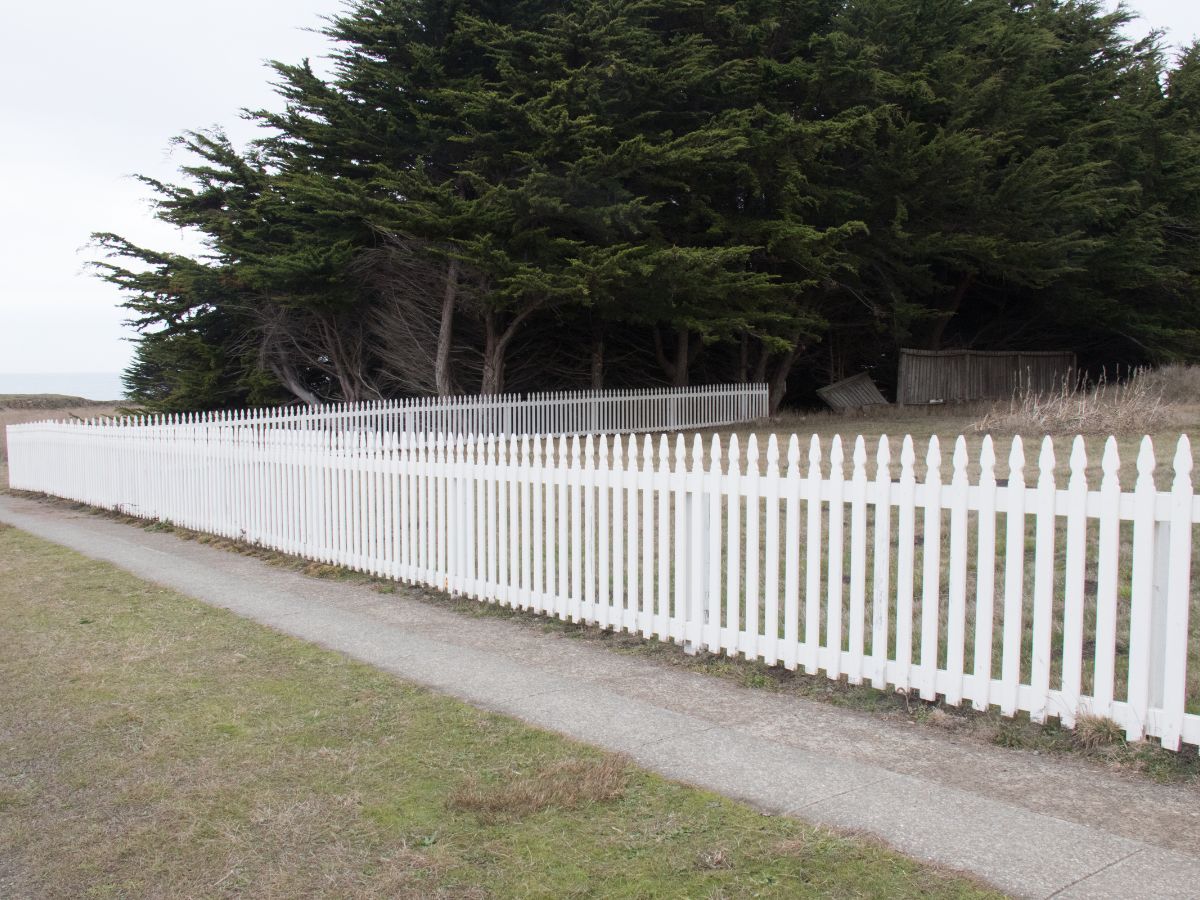
There is something undeniably classic about a white picket fence. It frames a yard perfectly, adds immediate curb appeal, and serves as a symbol of the ideal home. But when it comes time to actually build one, you run into a major decision almost immediately. Should you stick with traditional wood, or is it time to upgrade to a modern composite picket fence?
For decades, wood was the only real option. It looks great on day one, but anyone who has owned a wooden fence knows the maintenance headaches that follow. Today, homeowners are increasingly turning to composite materials that promise the same look without the hassle.
In this guide, we will break down the differences between wood and composite fencing so you can decide which material is right for your property.
What Is a Composite Picket Fence?
Before diving into the comparison, it helps to understand what we are actually talking about. A composite picket fence isn’t plastic; it is an engineered product. These fence systems are typically made from a blend of recycled wood fibers and plastic polymers. This combination creates a material that looks like wood but behaves much differently when exposed to the elements.
Unlike vinyl, which can look shiny and artificial, high-quality composite material often features a wood-grain texture. It is specifically designed to mimic the aesthetic of natural lumber while eliminating its weaknesses.
The Aesthetic Appeal: Tradition vs. Modern Consistency
We all appreciate the beauty of natural wood. A new cedar or pine fence brings warmth and charm that instantly upgrades any yard. But that look does not last forever. Wood is an organic material, and constant exposure to sun, rain, and moisture causes it to fade, crack, and warp over time.
A composite picket fence, by contrast, is designed for long-term consistency. The color and finish you see on day one are the same look you will enjoy for years. While older composite materials once looked artificial, today’s composite picket fence options come in realistic wood tones and textured finishes that closely mimic natural grain.
If you want a clean, polished “white picket fence” style that stays sharp year after year, a composite picket fence is the clear choice. If you love the changing, rustic character of aging wood, then traditional lumber may still suit your taste.
Maintenance: The Dealbreaker for Many Homeowners
This is usually where the debate ends for most people. The maintenance requirements for wood and composite are night and day.
Wood Fence Maintenance
Wood requires work. A lot of it. To keep a wooden fence looking good and structurally sound, you need to commit to a regular maintenance schedule. This includes:
- Painting or staining: You will need to scrape, sand, and re-apply finish every two to three years.
- Rot prevention: Wood absorbs moisture, leading to rot at the base of the posts.
- Insect control: Termites and carpenter ants love natural wood.
- Repairing damage: Warped boards and loose nails are common issues.
Composite Fence Maintenance
A composite fence is virtually maintenance-free. Because the material is non-porous and durable, it doesn’t absorb water. This means you never have to worry about sanding, sealing, painting, or staining.
Your maintenance list for a composite fence usually looks like this:
- Spray it down with a garden hose once or twice a year to remove dirt or pollen.
- That’s it.
For busy homeowners who want to enjoy their yard rather than work on it, the lack of maintenance required for composite fence panels is a massive advantage.
Durability and Longevity
When you invest in a fence, you want it to last. Let’s look at how these materials hold up long-term.
Fighting the Elements
Wood is biodegradable. Nature wants to break it down. Rain causes swelling; sun causes drying and cracking. Over time, even pressure-treated wood will succumb to the elements. A typical wood fence might last 15 to 20 years, but it will look significantly older long before it fails structurally.
Composite is engineered to resist weathering. It won’t rot, warp, splinter, or twist. It withstands heavy rain, snow, and intense sun exposure without degrading. Many manufacturers offer warranties ranging from 20 to 25 years or more, which is something you rarely see with wood fencing.
The Insect Factor
One of the biggest threats to wooden structures is insect damage. Termites can silently destroy a wooden fence from the inside out. Composite pickets contain plastic polymers that insects cannot eat and do not nest in. This renders the fence completely immune to termite damage, saving you from expensive repairs down the road.
Installation: Difficulty and Labor
If you are planning a DIY project, fence installation is a key factor. Wood is generally easier to cut and fasten because it is softer. However, building a wood fence from scratch often involves setting posts, installing rails, and then nailing up hundreds of individual pickets. It is labor-intensive.
Composite fence systems often come in pre-assembled fence panels or easy-to-assemble kits. While the material is heavier and denser than wood, sometimes requiring special saw blades, the modular nature of the systems can speed up the process. The posts are often set similarly to wood, but the connections are usually more precise, using hidden brackets or slide-in systems rather than just nails.
Cost Comparison: Upfront vs. Lifetime Value
This is the most common question: Is a composite picket fence more expensive than wood?
The short answer is yes, the upfront cost of a composite is higher. You will pay more for the materials. However, looking at the price tag alone is misleading. You have to consider the total cost of ownership.
The Hidden Costs of Wood:
- Initial material cost (Lower)
- Cost of stain/paint (Recurring)
- Brushes, rollers, sprayers (Recurring)
- Your time spent laboring (Recurring)
- Replacement of rotted boards (Occasional)
- Total replacement (Sooner than composite)
The Cost of Composite:
- Initial material cost (Higher)
- Water for cleaning (Minimal)
- Total replacement (Decades later)
When you factor in the cost of stain and the value of your time over just five or ten years, the composite picket fence often ends up being the cheaper option. It is an investment upfront that pays dividends by eliminating maintenance costs.
Environmental Impact
Many homeowners think wood is the greener option because it is natural, but pressure-treated lumber is infused with chemicals to prevent rot and insects. When that wood eventually breaks down and gets thrown away, those chemicals end up in landfills and can impact the environment.
A composite picket fence, on the other hand, is often made from up to 95% recycled materials. This includes reclaimed wood fibers like sawdust that would otherwise go to waste, along with recycled plastics such as shopping bags and milk jugs. Choosing a composite picket fence helps reduce landfill waste and lowers the demand for new trees. And because composite lasts much longer than traditional wood, you use fewer resources over time to repair or replace your fence.
Design Flexibility and Style
Gone are the days when non-wood fences looked fake. Today’s composite options offer incredible design flexibility. Because the material is manufactured, it can be molded into various shapes and styles.
You can find specifically designed profiles that look like traditional dog-ear pickets, spade pickets, or modern flat-top designs. The colors run deep through the material, meaning scratches are less visible than on painted wood, where a scratch reveals the raw lumber underneath.
Furthermore, composite fence systems often include matching accessories like post caps, gates, and hardware that ensure a cohesive, polished look for your property.
Is Composite Right for You?
Choosing between wood and composite ultimately comes down to your priorities.
Choose Wood If:
- You have a lower upfront budget and don’t mind spending money later.
- You enjoy DIY projects like sanding and painting.
- You want a specific stain color that isn’t available in composite.
- You prefer the natural aging process of lumber.
Choose Composite If:
- You want a “set it and forget it” solution.
- You prefer a fence that looks new for years.
- You live in an area with harsh weather or high termite activity.
- You value your weekends and don’t want to spend them maintaining a fence.
FAQ: Does a Composite Picket Fence Fade in the Sun?
Early generations of composite fencing struggled with fading, but modern composite technology has largely solved this issue. Most high-quality composite fencing includes UV inhibitors specifically designed to resist fading. While a slight lightening may occur in the first few months as the product weathers, the color stabilizes and remains consistent for the life of the fence, unlike wood, which turns gray.
Final Thoughts
A fence is a major addition to your home. It provides security, privacy, and beauty. While wood has served us well for centuries, material technology has evolved. A composite picket fence offers the charm of the traditional style we love without the baggage of heavy maintenance.
When you look at the long-term value, durability against insect damage, and the sheer convenience of owning a fence you never have to paint, the choice becomes clear for many modern homeowners. It allows you to frame your home beautifully and then get back to enjoying your life, rather than working on your property.
If you are ready to upgrade your property with a stunning, low-maintenance fence that outperforms wood in every category, you need a partner who understands the technology.
Contact Perimtectx today to explore high-performance fencing solutions that redefine what your yard can look like.