
A home is more than just a place to live; it’s a personal sanctuary. Creating a sense of seclusion and security in your outdoor space is a top priority for many homeowners. This is where high-quality privacy fencing comes into play. It does more than just mark your property line. A good fence provides a visual barrier, reduces noise, and enhances the overall safety and aesthetics of your property.
Choosing the right privacy fence can feel like a major decision because it is. It’s a significant investment that impacts your home’s curb appeal and your daily comfort. With so many materials, styles, and regulations to consider, it’s easy to feel overwhelmed. This guide will walk you through everything you need to know to select the perfect privacy fencing solution for your home, ensuring you make a choice you’ll be happy with for years to come.
Why Install a Privacy Fence?
Before diving into the different types of fencing, let’s explore the benefits. Understanding the “why” helps clarify what you need from your fence. Backyard privacy fencing offers much more than just solitude.
- Seclusion: The most obvious benefit is creating a private space where you and your family can relax without feeling observed by neighbors or passersby.
- Security: A tall, solid fence can be a significant deterrent to intruders, both human and animal. It keeps children and pets safely contained within your yard.
- Noise Reduction: While not completely soundproof, a solid fence can noticeably dampen noise from busy streets, neighbors, and general city life.
- Increased Property Value: A well-chosen and professionally installed fence is an attractive feature to potential buyers, adding to your home’s market value.
- Aesthetic Appeal: Modern fencing comes in a vast array of styles and materials. The right fence can complement your home’s architecture and landscaping, boosting its curb appeal.
- Wind and Element Barrier: A sturdy fence can act as a windbreak, protecting your garden and creating a more comfortable outdoor living area.
Key Factors to Consider Before You Buy
Choosing the right privacy fencing means balancing style, budget, and everyday practicality. If you rush the process, you may end up with a fence you regret. Taking time to weigh the key factors helps you make a smart, confident decision.
Local Regulations and HOA Rules
This is the most critical first step. Before you fall in love with a specific fence style, check your local zoning laws and homeowner’s association (HOA) guidelines. Many municipalities have strict rules regarding:
- Fence Height: Most residential areas have a maximum height limit, often six feet for backyards and four feet for front yards.
- Setbacks: You may be required to place your fence a certain distance from property lines, sidewalks, or roads.
- Materials and Appearance: Some HOAs have restrictions on the types of materials or even the colors you can use to maintain a uniform neighborhood look.
- Permits: A permit is often required for fence installation. Check with your local building department to understand the process and any associated fees.
Confirming these rules upfront will save you from potential fines or the costly task of having to remove a non-compliant fence.
Purpose and Functionality
What is the primary goal of your fence? Is it purely for privacy, or do you have other needs? If your main goal is blocking the view, a tall, solid panel fence is ideal. If security is a major concern, you’ll want a durable material that is difficult to climb. For those with pets, ensuring the fence has no gaps at the bottom is crucial. Defining your primary purpose will help narrow down your options significantly.
Budget
Fence costs can vary dramatically based on material, height, and the total length you need to enclose. The cost includes not just the materials but also the labor for installation. It’s important to set a realistic budget.
- Measure Your Perimeter: Calculate the total linear feet you need to fence.
- Research Material Costs: Get a rough idea of the price per foot for different materials.
- Factor in Installation: Professional fence installation is often worth the investment to ensure it’s sturdy and level. Get quotes from a few reputable contractors.
- Consider Long-Term Costs: Think about maintenance. A cheaper wood fence might cost more over time in staining and repairs compared to a higher-priced but low-maintenance vinyl fence.
Exploring Privacy Fencing Materials
The material you choose is the biggest factor influencing your fence’s appearance, durability, and cost. Each has its unique set of advantages and disadvantages.
Wood Fencing
Wood fencing is the classic, traditional choice for privacy fencing. It offers a natural, warm look that blends well with any landscape.
- Pros: Highly customizable in terms of style, height, and finish. Can be painted or stained to match your home. Generally more affordable upfront than other options.
- Cons: Requires regular maintenance, including staining or sealing every few years, to prevent rot, warping, and insect damage. Lifespan depends heavily on the type of wood and the quality of maintenance.
- Common Types: Pressure-treated pine is a cost-effective option. Cedar and redwood are naturally resistant to rot and insects, but come at a higher price point.
Vinyl (PVC) Fencing
Vinyl fence has become an incredibly popular choice for its low-maintenance and long-lasting qualities. It mimics the look of a classic wood fence without the upkeep.
- Pros: Extremely durable and resistant to rot, pests, and fading. Requires no painting or staining; cleaning is as simple as spraying it with a hose. Comes in various colors and styles.
- Cons: Higher initial cost compared to wood. Can become brittle in extreme cold and may crack on heavy impact. Repairing a damaged section can be more complex than with a wood fence.
Composite Fencing
Composite fencing combines recycled wood fibers and plastic to create a strong, eco-friendly option. It’s designed to offer the best of both worlds: the look of wood and the durability of synthetic materials.
- Pros: Looks and feels similar to real wood. Very durable and resistant to rot, decay, and insects. Low maintenance and environmentally friendly.
- Cons: It is one of the more expensive fencing options available. The color selection can be more limited compared to vinyl or painted wood.
Metal Fencing
While aluminum and steel are often associated with picket-style fences, they can be adapted for privacy. This is typically done by adding solid panels or by using wide, overlapping slats in a horizontal design.
- Pros: Extremely strong, secure, and long-lasting. Offers a sleek, modern aesthetic. Requires very little maintenance.
- Cons: Can be very expensive. Does not provide the same level of total visual blockage or noise reduction as solid panel fences unless specifically designed for privacy. Can be prone to rust if not properly coated (especially steel).
Choosing the Right Fence Style
Once you’ve settled on a material, you need to pick a style. For privacy, you’ll want a design with minimal gaps.
- Solid Panel Fencing: This is the most common style for privacy. The boards or panels are installed edge-to-edge, creating a solid wall with no gaps.
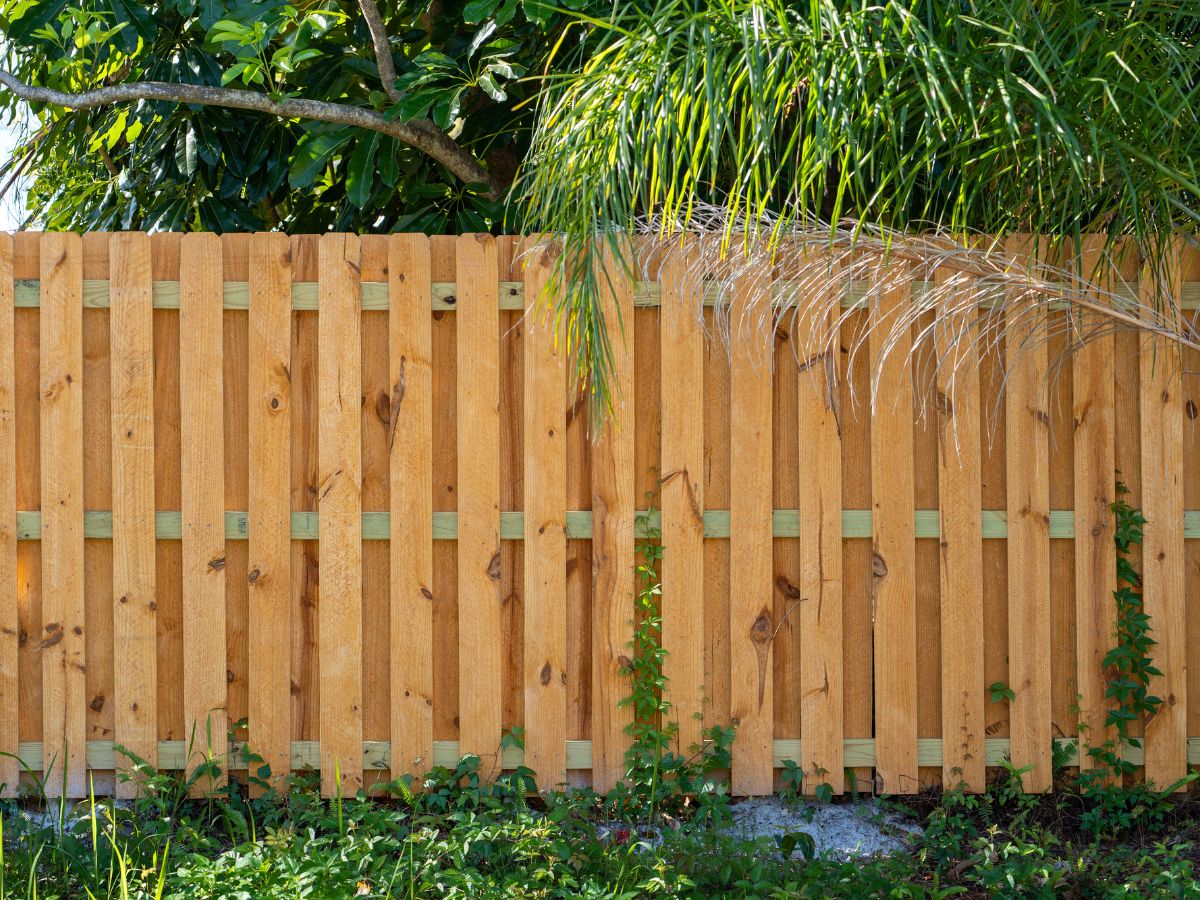
- Shadowbox Fencing: This style alternates pickets on either side of the central rails. It offers privacy when viewed head-on but allows for airflow and some visibility at an angle. It’s a “neighbor-friendly” option, as it looks the same from both sides.
- Horizontal Fencing: A modern and stylish choice, this design uses boards installed horizontally rather than vertically. It provides excellent privacy and a unique, contemporary look.
- Lattice Top Fencing: This style features a solid panel base with a decorative lattice panel at the top. It provides privacy for the majority of the fence while adding a decorative touch and a feeling of openness.
What Is the Best Height for a Privacy Fence?
The best height for a privacy fence is typically six feet. This height is tall enough to block the view from neighboring yards and passersby, providing effective seclusion for your backyard. It’s also the standard maximum height allowed in many residential zoning regulations. Always check your local codes before installation.
The Importance of Professional Fence Installation
While DIY fence installation may look like a money-saver, it is a demanding project that requires accuracy, proper tools, and a lot of physical effort. When a fence is not installed correctly, it can start to lean, sag, or break down much sooner than expected.
That is where a professional installer makes a real difference. An experienced team understands how to handle privacy fencing the right way, from digging post holes to the proper depth for your climate to setting posts straight in concrete and securing every panel level and tight. They also know local building codes and can take care of permits, so you do not have to stress over compliance. Choosing professional installation protects your investment and ensures your fence looks great and lasts for years.
Your home should feel like a safe retreat, and quality privacy fencing plays a big role in creating that personal space. When you think through your regulations, budget, materials, and design preferences, you can choose a fence that truly fits your lifestyle. The right fence does more than block views. It adds comfort, security, and long-term value to your property.
Ready to create the private backyard oasis you’ve always wanted? The team at Perimtectx can help you navigate your options and provide expert installation for a beautiful, long-lasting privacy fence.