
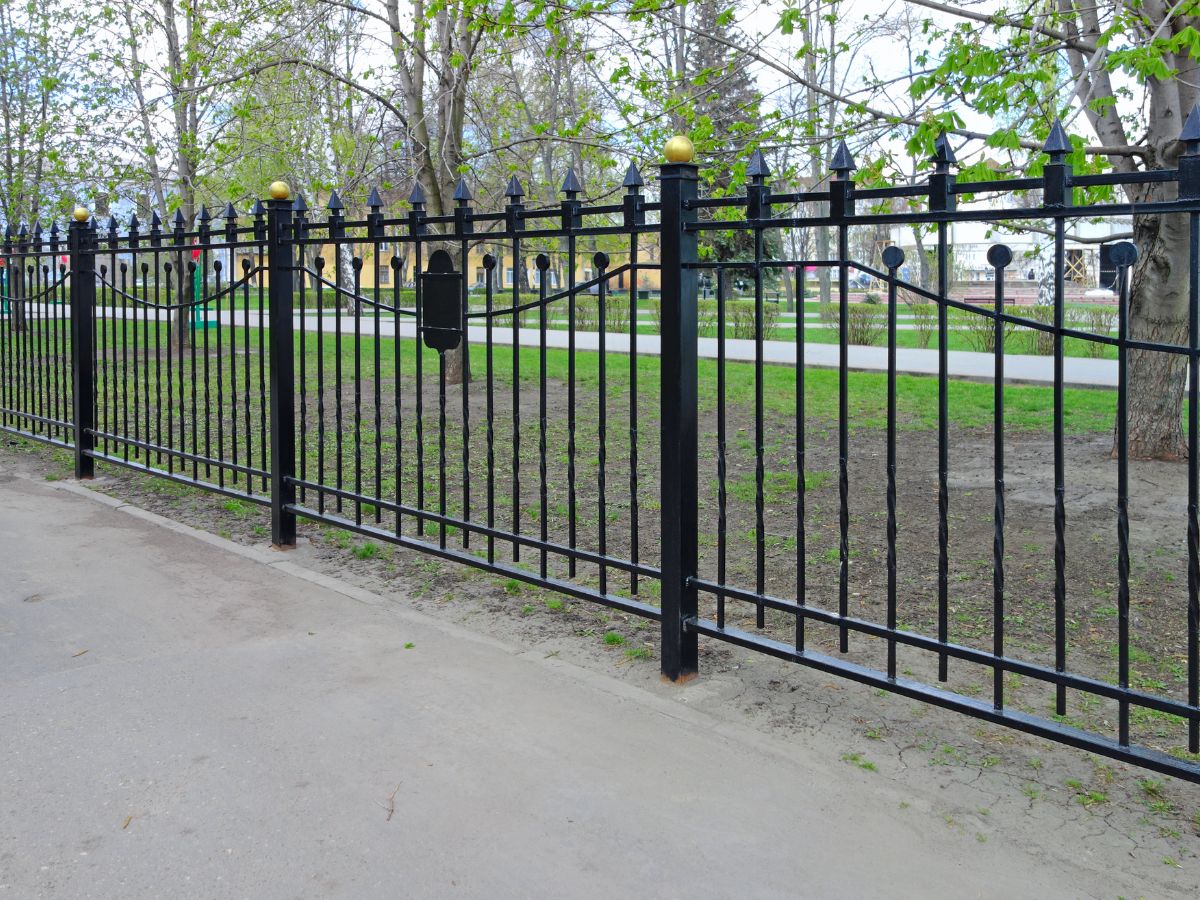
Upgrading your home’s exterior often starts at the perimeter. A new fence transforms curb appeal, boosts security, and defines your private space. But when you start looking at options, the choices can get overwhelming fast. Wood rots, vinyl can crack, and chain link doesn’t always offer the aesthetic you want. This is where metal fence panels shine. They offer a blend of durability, style, and security that few other materials can match.
Choosing the right panels isn’t just about picking a color or a height. It involves understanding materials, maintenance needs, and how the fence fits into your overall landscape design. Whether you are looking for sleek modern lines or ornamental elegance, getting the details right ensures your fence project adds value for decades.
Understanding the Different Types of Metal Fencing
Before you buy, you need to know what you are looking at. “Metal” is a broad category. The three most common materials you will encounter are aluminum, steel, and wrought iron. Each has distinct characteristics that affect price, longevity, and appearance.
Aluminum Fencing
Aluminum is the lightweight champion of the fencing world. It is incredibly popular for residential yards because it resists rust naturally. If you live in a coastal area with salty air or a region with heavy rainfall, an aluminum fence is often the smartest choice. It is versatile and often comes in modular fence panels that are easy to install on sloped terrain.
Pros:
- Rust-resistant and low maintenance
- Lightweight and easier to install
- Available in many styles and colors
Cons:
- Can dent more easily than steel upon heavy impact
- Less security strength compared to heavy steel
Steel Fencing
Steel is the heavyweight contender. When you want strength and security, steel metal fence panels are hard to beat. Most modern steel fencing is galvanized and powder-coated to prevent rust. It offers a classic look similar to wrought iron but at a more accessible price point and with better durability.
Pros:
- Extremely strong and durable
- High security potential
- Classic, robust appearance
Cons:
- Heavier and harder to transport
- Scratches must be touched up quickly to prevent rust
Wrought Iron
True wrought iron is rare today; most of what is sold as “wrought iron” is actually mild steel crafted to look like iron. However, if you find custom ironwork, it offers unmatched beauty and longevity. It is a premium product for high-end homes where budget is less of a concern than aesthetics.
Pros:
- Customizable and unique
- Incredible durability if maintained
- Timeless elegance
Cons:
- Requires regular painting and rust treatment
- Expensive to purchase and install
Assessing Your Needs: Privacy vs. Visibility
Why are you building a fence? The answer to this question dictates the type of metal fence panels you should buy.
If your primary goal is security without blocking the view, open-style metal fencing is ideal. These panels typically feature vertical pickets spaced apart. This allows you to see out (and neighbors to see in) while keeping pets and kids safe in the yard. It creates a boundary without making your yard feel like a fortress.
On the other hand, if you crave solitude, you might look for metal panels designed for privacy. Some modern designs use wide metal slats or corrugated metal sheets to block sightlines completely. Alternatively, you can install traditional picket-style metal panels and use landscaping—like privacy hedges or climbing vines—to fill in the gaps over time.
Consider the “good neighbor” aspect as well. Most metal panels look identical on both sides, which means you don’t have to worry about who gets the “ugly” side of the fence. This is a significant advantage over wood fences, which clearly have a front and back.
Determining the Right Height for Your Project
Height regulations are often the trickiest part of a fence project. Before you fall in love with a six-foot ornamental design, check your local zoning laws and HOA guidelines.
- Front Yards: Most municipalities limit front yard fences to 3 or 4 feet to maintain visibility for drivers and pedestrians.
- Backyards: You can typically go higher in the back, usually up to 6 or sometimes 8 feet, depending on local codes.
- Pool Fencing: If you are fencing a pool, specific safety codes apply. You will usually need a fence at least 48 or 54 inches high with self-closing, self-latching gates and specific spacing between pickets to prevent children from squeezing through.
Metal fence panels are excellent for meeting strict code requirements because they are manufactured to precise standards. Unlike wood, which can warp and create gaps over time, metal stays true to its original dimensions.
Style and Aesthetics: Matching Your Home’s Architecture
Your fence should frame your house, not fight with it. The style of metal fence panels you choose should complement your home’s architectural era and color palette.
Modern and Contemporary Homes
Look for horizontal slat fencing or simple flat-top panels with clean lines. Matte black or charcoal gray finishes work exceptionally well here. The goal is minimalism. You want the fence to feel like an extension of the home’s sleek geometry.
Traditional and Colonial Homes
Classic spear-top pickets or pressed-point designs are the standard. These mimic the look of historic wrought iron fences found in older neighborhoods. Gloss black is the traditional choice, but bronze finishes can add a softer, more sophisticated touch.
Farmhouse and Rustic Homes
While wood is the go-to for rustic looks, metal can still work. Simple, unadorned rails or wire-filled panels (like hog wire with a metal frame) bridge the gap between rustic charm and modern durability.
Installation Considerations: Rackable vs. Stepped Panels
One of the most critical technical details to check when buying metal fence panels is how they handle slopes. If your yard is perfectly flat, standard panels work fine. But if you have hills or uneven ground, you need to make a choice.
Rackable Panels
Rackable panels are designed to adjust to the slope of the ground. The horizontal rails and vertical pickets are joined with a pin or hinge system that allows the panel to “rack” or shear. This means the top of the fence stays parallel to the slope of the ground, leaving no large gaps at the bottom for pets to escape. This creates a smooth, flowing look that follows the terrain.
Stepped Installation
If you use solid panels that cannot be racked, or if the slope is very steep, you must step the fence. This looks exactly like it sounds, like a staircase going down the hill. Each panel is installed level lower than the previous one. This method often leaves triangular gaps under the fence on the downhill side, which may need to be filled if you have small dogs.
Durability and Maintenance Requirements
One of the biggest selling points of metal fencing is the “install it and forget it” factor. However, not all coatings are created equal.
When shopping, look for panels that have been galvanized and powder-coated. Galvanization involves coating the steel in zinc to prevent rust. Powder coating is a dry finishing process where polymer resin is applied electrostatically and then cured under heat. This creates a finish that is much harder and tougher than conventional paint.
Maintenance Tips:
- Cleaning: Wash your fence once or twice a year with a garden hose and mild soap to remove dirt, pollen, and salt buildup.
- Inspection: Walk the perimeter annually to check for scratches. If you see deep scratches exposing bare metal, touch them up immediately with manufacturer-approved paint.
- Vegetation: Keep heavy bushes and vines trimmed back. While metal is tough, constant moisture from wet leaves trapped against the surface can eventually compromise the coating.
Budgeting for Your Metal Fence
Metal fencing is an investment. Generally, it costs more upfront than pressure-treated wood but less than vinyl or composite materials. However, looking at the initial price tag only tells half the story.
Because metal fence panels last 20 years or more with minimal upkeep, the long-term cost of ownership is very low. You won’t be staining it every two years or replacing rotted posts after a decade.
Cost Factors:
- Grade: Residential grade is the most affordable. Commercial and industrial grades use thicker metal and cost more.
- Height: Taller panels use more material and are more expensive.
- Ornamentation: Adding finials, circles, or scrolls increases the price.
- Gates: Don’t forget to budget for gates. They are significantly more expensive than standard panels due to the hardware and reinforcement required.
Why Metal Fencing is Safer for Pets
If you have dogs, metal fencing is often superior to wood. Large dogs can chew through wood pickets or dig under them. Wood fences also block the view, which can sometimes cause dogs to bark more at noises they can’t see.
Metal fence panels allow dogs to see what is happening, often reducing anxiety. More importantly, they are incredibly difficult to chew or claw through. When choosing panels for pets, pay attention to the picket spacing. Standard spacing is usually around 3.75 to 4 inches. If you have a toy breed, you might need “puppy pickets.” These are panels that have a second row of pickets along the bottom section to narrow the spacing, ensuring even the smallest pup stays safely inside.
Is Metal Fencing Eco-Friendly?
Sustainability is a growing concern for many homeowners. Metal fencing scores high marks in this area. Both steel and aluminum are highly recyclable materials. In fact, many metal fence panels are made from a high percentage of recycled scrap metal.
Unlike chemically treated wood, which can leach toxins into the soil and ends up in landfills when it rots, metal fencing can be recycled again at the end of its long lifespan. By choosing a durable product that doesn’t need frequent replacement, you reduce the overall environmental impact of your home improvement projects.
FAQ: Can I Install Metal Fence Panels Myself?
Yes, many homeowners successfully DIY their metal fence installation. Metal panels are often modular, meaning they attach easily to pre-set posts with brackets. The hardest part is digging the post holes and ensuring they are perfectly spaced and level. If you are comfortable with measuring tape, a post-hole digger, and concrete, you can save significant money on labor. However, for large sloped yards or complex layouts, hiring a professional ensures the warranty remains valid and the fence is structurally sound.
Final Thoughts on Your Fence Project
Selecting the right barrier for your property is a balance of form and function. You want security, but you also want beauty. You want durability, but you need to stay within budget. Metal fence panels offer a sweet spot that satisfies all these requirements. They provide the elegance of traditional ironwork without the high maintenance and the strength of steel without the industrial look.
Take your time planning. Measure your yard accurately, check your local codes, and order samples if possible. When you choose quality materials, your fence becomes more than just a property line; it becomes a permanent asset to your home’s architecture.
Ready to secure your property with high-quality fencing? Visit Perimtectx today to explore durable, stylish solutions for your next project.