
Choosing a fence for your property is a big decision. It’s not just about marking a boundary; it’s a significant investment that impacts your home’s security, privacy, and curb appeal. As you explore your options, you’ll find the primary choice often comes down to two major categories: modern and traditional. But what’s the difference, and which one is the right fit for you?
This guide will break down the debate between modern fences and traditional fences. We will explore the defining characteristics of each, compare their materials and maintenance needs, and help you decide which style will best complement your home and lifestyle. By the end, you’ll have a clear understanding of which path to take to ensure your new fence looks great and serves its purpose for years to come.
What Defines a Traditional Fence?
When you picture a classic American home, a traditional fence likely comes to mind. These styles are timeless, evoking a sense of nostalgia, comfort, and established charm. Their designs have been popular for decades, and for good reason. They are familiar, functional, and well-suited to classic architectural styles such as Colonial, Cape Cod, and Craftsman homes.
Key characteristics of traditional fences often include:
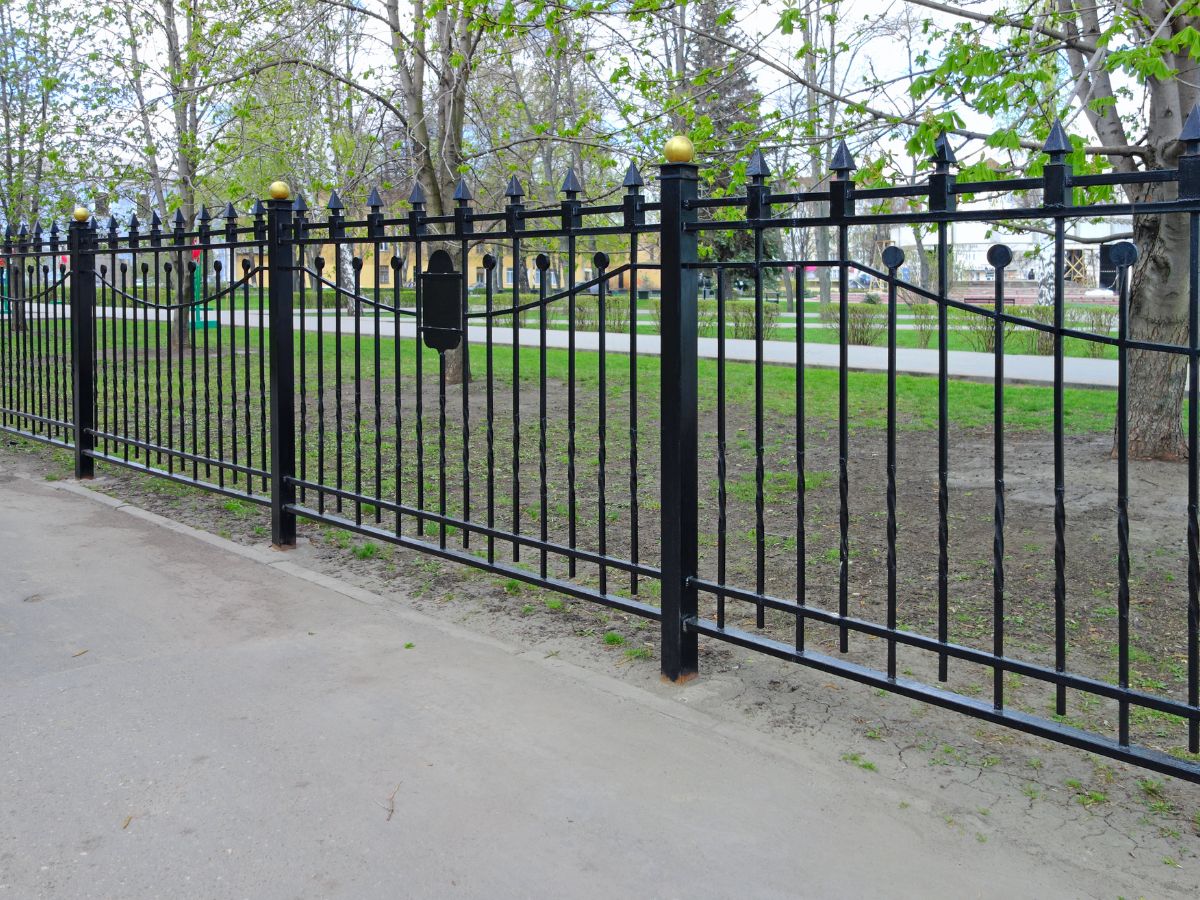
- Classic Materials: Wood is the quintessential material for traditional fences. Think of classic wood fences like the white picket fence, which is an icon of suburban life. Wrought iron is another popular choice, known for its ornate and elegant appearance.
- Familiar Designs: The designs are often decorative and rooted in historical styles. Picket fences with scalloped tops, split-rail fences perfect for a rustic look, and privacy fences with dog-eared or lattice-topped panels are all common examples.
- Warm and Welcoming Vibe: Traditional fences tend to create a friendly and inviting atmosphere. They are less about creating a stark barrier and more about gracefully defining a space.
While beautiful, traditional fences, especially wood ones, often require consistent maintenance. Staining, painting, and sealing are necessary to protect the wood from rot, insects, and weather damage, which is a significant factor to consider.
What Is a Modern Fence?
A modern fence is defined by its clean lines, simple forms, and minimalist aesthetic. It prioritizes function and understated style, making it a perfect match for contemporary, mid-century modern, and minimalist homes. Unlike the decorative nature of traditional styles, modern fence design focuses on geometry, texture, and seamless integration with the surrounding landscape.
The core principles of a modern fence include:
- Simplicity and Clean Lines: Horizontal slats are a hallmark of modern fences. This orientation creates a sense of width and sleekness, drawing the eye along the property line. Vertical boards are also used, but they are typically flat-topped and installed without gaps for a solid, uniform appearance.
- Mixed Materials: Modern designs often blend materials to create visual interest. It’s common to see wood paired with metal, vinyl combined with glass panels, or concrete pillars framing composite boards. Popular materials include composite, vinyl, aluminum, and steel.
- Neutral Color Palette: Modern fences usually stick to a neutral or monochromatic color scheme. Shades of gray, black, white, and natural wood tones dominate. This allows the fence to complement the home’s architecture without overwhelming it.
A well-executed modern fence can make a powerful statement. It signals a forward-thinking design sensibility and an appreciation for uncluttered, intentional style.
Key Differences: A Head-to-Head Comparison
To help you choose, let’s compare modern and traditional fences across the most important categories.
Aesthetics and Style
- Traditional: Ornate, decorative, and classic. These fences often feature curves, detailed post caps, and familiar patterns. They are ideal for adding character and charm to older, more conventional homes. If you’re looking for timeless fence ideas that evoke a cozy feel, traditional is the way to go.
- Modern: Minimalist, sleek, and geometric. A modern fence is all about structure and simplicity. It uses horizontal lines and a lack of ornamentation to create a sophisticated and clean look. This style excels at making a property feel updated and refined.
The winner here is purely subjective. Do you prefer the detailed charm of the past or the clean elegance of the present? Your home’s architectural style will be the biggest guide.
Materials and Durability
- Traditional: Primarily relies on wood fences and wrought iron. While beautiful, wood is susceptible to rot, warping, and pests. It requires regular painting or staining. Wrought iron is incredibly durable but can rust if not properly maintained and is often more expensive.
- Modern: Embraces a wider range of low-maintenance materials. Vinyl, composite (a mix of wood fibers and plastic), and aluminum are popular choices. These materials are resistant to rot, insects, and fading. They often only require occasional cleaning with soap and water, offering long-term durability with minimal effort.
For durability and low maintenance, the modern fence has a clear advantage. The materials are engineered to withstand the elements with far less upkeep.
Privacy and Security
Both styles can be designed to offer excellent privacy and security.
- Traditional: Classic privacy fences, typically made of wood, use interlocking or side-by-side vertical panels to block views. Tall, sturdy wrought iron fences with pointed pickets can also be a formidable security barrier.
- Modern: The horizontal slat fence design can be customized for privacy. You can choose to have no gaps between the boards for total seclusion or leave small gaps for a semi-private feel that still allows light and air to pass through. The solid, imposing nature of many modern designs also provides a strong sense of security.
This category is a tie. Your level of privacy is determined by the specific fence design you choose, not whether it’s modern or traditional.
Installation and Cost
The cost of a fence depends heavily on the material, height, and length, as well as labor costs in your area.
- Traditional: A simple wood picket fence can be relatively affordable, making it a budget-friendly option. However, custom wood fences or ornate wrought iron can become very expensive. Installation can be straightforward for standard designs.
- Modern: The initial cost for a modern fence using materials like composite or aluminum can be higher than a basic wood fence. However, it’s important to factor in the long-term savings from the lack of maintenance. Over 10 to 15 years, a modern fence may end up being more cost-effective.
For the lowest upfront cost, a simple traditional wood fence often wins. For the best long-term value, a modern, low-maintenance fence is typically the smarter financial choice.
FAQ: What Is the Main Difference Between a Modern and a Traditional Fence?
The main difference lies in aesthetics and materials. A modern fence features clean, simple lines (often horizontal), minimalist design, and low-maintenance materials like vinyl, composite, or metal. A traditional fence uses classic materials like wood or wrought iron and has more decorative, ornate designs, such as picket or split-rail styles.
Which Fence Style is Right For You?
Still unsure? Ask yourself these questions to find clarity.
- What is your home’s architectural style?
If you live in a new build, a contemporary home, or a mid-century ranch, a modern fence will likely complement its clean lines. If you have a historic home, a colonial, or a charming cottage, a traditional fence will feel more authentic. - How much maintenance are you willing to do?
If you enjoy weekend projects and don’t mind staining a fence every few years, a wood fence is a great option. If you prefer to set it and forget it, a modern fence made from vinyl or composite is your best bet. - What is your primary goal for the fence?
Is it purely for privacy? A tall, gapless fence in either style will work. Is it to boost curb appeal? Consider which fence design makes a statement that you love. If you want a fence that simply looks great with minimal fuss, a modern style often delivers. - What does your neighborhood look like?
While your personal style is most important, take a look around. A fence that harmonizes with the neighborhood can add to its overall value. However, a well-designed modern fence can also be a stunning standout that inspires others.
The Verdict: Modern vs. Traditional
There is no single “better” option; the best fence is the one that meets your needs and reflects your personal style.
Choose a traditional fence if:
- You love a classic, timeless look.
- Your home has traditional or historic architecture.
- You don’t mind the regular maintenance that wood fences require.
- You’re aiming for a warm, charming, and welcoming feel.
Choose a modern fence if:
- You prefer a sleek, minimalist, and sophisticated aesthetic.
- You want a low-maintenance solution that will last for years.
- Your home is contemporary, or you want to give an older home an updated look.
- You value clean lines and strong geometric design.
Ultimately, your fence is an extension of your home. By weighing the aesthetics, materials, cost, and maintenance of each style, you can make an informed choice you’ll be happy with for years to come.
Ready to explore cutting-edge fence ideas and find the perfect enclosure for your property? The experts at Perimtectx can help you design and install a high-quality fence that combines style, security, and durability.