
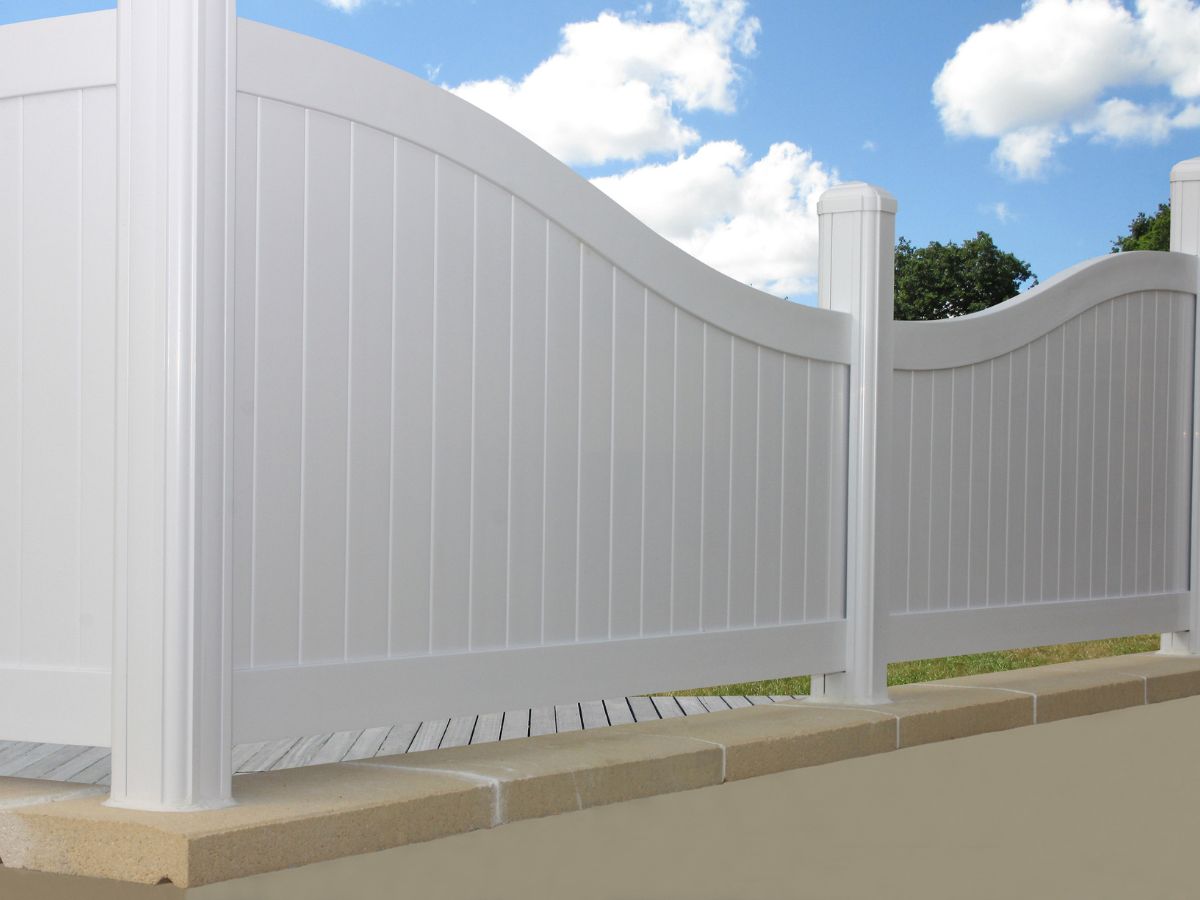
Choosing the right fence for your property is a significant decision. It’s not just about marking boundaries; a fence impacts your home’s curb appeal, security, and the amount of time you’ll spend on upkeep. For years, wood was the undisputed champion of residential fencing. However, modern materials have introduced a powerful contender: PVC fencing.
So, when it comes to the classic showdown of PVC fencing vs. wood, how do you decide which material is right for you? This guide will break down the key differences, comparing them on maintenance, durability, cost, and style. By the end, you’ll have a clear understanding of which option best fits your home and lifestyle.
The Maintenance Factor: Time is Money
One of the most significant differences between wood and PVC fencing is the long-term maintenance required. Your choice here will directly impact your weekends for years to come.
Wood Fence Maintenance
A traditional wood fence offers a beautiful, natural look, but that beauty comes at a cost. To keep it looking its best and protect it from the elements, you need to be prepared for regular work. This includes:
- Staining or Painting: Wood fences need to be stained or painted every two to four years to protect them from moisture, UV rays, and rot. This is a time-consuming and often expensive task.
- Cleaning: Wood is susceptible to mold, mildew, and algae, especially in damp or shady areas. Regular cleaning is necessary to prevent discoloration and decay.
- Repairs: Wood can warp, crack, and rot over time. You will likely need to replace individual boards or sections as the fence ages. It is also a target for termites and other pests, which can cause significant damage.
PVC Fencing Maintenance
This is where vinyl fencing truly shines. PVC, or polyvinyl chloride, is an engineered material designed for longevity and ease of ownership. Its non-porous surface resists most of the common issues that plague wood.
- No Staining or Painting: The color of a PVC fence is integrated into the material itself. It will never need to be painted, stained, or sealed. The color you choose on day one is the color it will remain for its entire lifespan.
- Simple Cleaning: Dirt, grass clippings, and grime don’t penetrate the surface of PVC fence panels. In most cases, a simple spray with a garden hose is all that’s needed. For tougher spots, some soap and water will do the trick.
- No Pest Problems: Termites, carpenter ants, and other wood-boring insects have no interest in PVC. You’ll never have to worry about pest-related damage.
Durability and Lifespan: A Long-Term Investment
A fence is an investment, and you want it to last. Both wood and PVC can be durable, but their performance over time varies greatly depending on climate and exposure.
Wood Fence Durability
The lifespan of a wood fence depends heavily on the type of wood used, the climate, and how well it is maintained. A standard pine fence might last 7 to 12 years, while a cedar or redwood fence, which contains natural oils that resist rot and insects, could last 15 to 25 years with diligent care. However, wood is always vulnerable. It can rot from constant exposure to moisture, warp in fluctuating temperatures, and become brittle from sun exposure.
PVC Fencing Durability
PVC fencing is engineered to withstand the elements. It’s a remarkably resilient material.
- Moisture-Proof: PVC does not absorb water, so it will not rot, blister, or peel. This makes it an ideal choice for humid climates or properties near water.
- Flexible Strength: High-quality vinyl fencing is designed to be flexible. It can withstand strong winds without snapping and will bend on impact, often returning to its original shape. This makes it more resilient to everyday bumps from lawnmowers or playing children compared to wood, which can splinter or break.
- UV Resistance: Modern PVC fence panels are manufactured with titanium dioxide (TiO₂), which acts as a powerful UV inhibitor. This prevents the material from becoming brittle and yellowing over time, ensuring it maintains its strength and color for decades. A well-installed PVC fence can easily last 30 years or more with almost no effort from the homeowner.
Quick Answer: Is PVC Fencing Stronger Than Wood?
Yes, in many ways. While a thick wooden post may feel sturdier initially, PVC fencing is more flexible and resistant to weathering. It won’t rot, splinter, or warp like wood, making it a more durable and longer-lasting option over the long term, especially in harsh weather conditions.
Comparing the Costs: Upfront vs. Lifetime
The budget is often a deciding factor when choosing a fence. It’s important to look beyond the initial purchase price and consider the total cost of ownership over the fence’s lifetime.
Upfront Costs
Initially, a wood fence is often the cheaper option. The materials for a simple pine fence are generally less expensive than those for PVC fencing. However, if you opt for premium wood like cedar or redwood to gain better durability, the initial cost can become comparable to, or even exceed, that of vinyl.
The initial cost for PVC fencing is typically higher than for a basic wood fence. The manufacturing process is more complex, and the materials are engineered for performance. This higher upfront cost can be a barrier for some homeowners.
Lifetime Costs
This is where the financial equation flips. While a wood fence costs less to install, its maintenance costs add up significantly over the years. Consider the recurring expenses for:
- Paint or stain
- Brushes, rollers, and sprayers
- Wood sealants
- Cleaning solutions
- Replacement boards and posts
- Your personal time and labor
When you factor in these costs over 15 to 20 years, a wood fence can easily end up being more expensive than a PVC fence.
In contrast, the lifetime cost of vinyl fencing is extremely low. After the initial installation, your expenses are practically zero. There is no need for paint, stain, or extensive repairs. The money you save on maintenance materials and the hours you get back on your weekends make PVC a very sound financial investment over time.
Style and Aesthetics: The Look You Love
A fence is a prominent feature of your home’s exterior, so its appearance matters. Both wood and PVC offer a variety of styles to complement your property.
The Classic Appeal of Wood
There’s no denying the timeless, natural beauty of wood. It offers a warmth and rustic charm that many homeowners love. Wood can be painted or stained in any color, allowing for complete customization to match your home. From classic picket fences to tall privacy fences, wood is versatile. However, this custom look is dependent on consistent upkeep. A neglected wood fence quickly becomes an eyesore.
The Clean Look of PVC Fencing
PVC fencing has come a long way from its early days. Today, it’s available in a wide range of styles, from traditional picket and ranch rail designs to full PVC fence panels for complete privacy. While white is the most popular color, it’s also available in other neutral tones like tan and gray, and even textures that mimic the look of wood grain.
Vinyl provides a crisp, clean, and uniform look that many people prefer. The lines are sharp, and the finish is consistent. This style works exceptionally well with modern, colonial, and coastal home designs, providing a polished appearance that never fades or looks weathered.
Final Verdict: Which Fence Is Right for You?
The choice between PVC fencing and wood ultimately comes down to your priorities.
Choose Wood if:
- You love the classic, natural aesthetic of real wood.
- You are on a tight initial budget and can handle the installation yourself.
- You enjoy DIY projects and don’t mind the regular maintenance tasks of sanding, staining, and painting.
- You want a specific custom color that isn’t available in vinyl.
Choose PVC Fencing. If:
- You want a “set it and forget it” solution with minimal maintenance.
- You prioritize long-term durability and a fence that will not rot, warp, or get eaten by pests.
- You are willing to invest more upfront to save significant money and time over the life of the fence.
- You prefer a clean, polished, and uniform appearance that will look great for decades.
For most homeowners today, the benefits of vinyl fencing are hard to ignore. Its superior durability, incredibly low maintenance, and excellent long-term value make it the smarter choice for a beautiful, hassle-free property boundary.
Ready to explore high-quality fencing options that combine durability with style? Visit Perimtectx to find the perfect solution that will protect your property and enhance its beauty for years to come.