
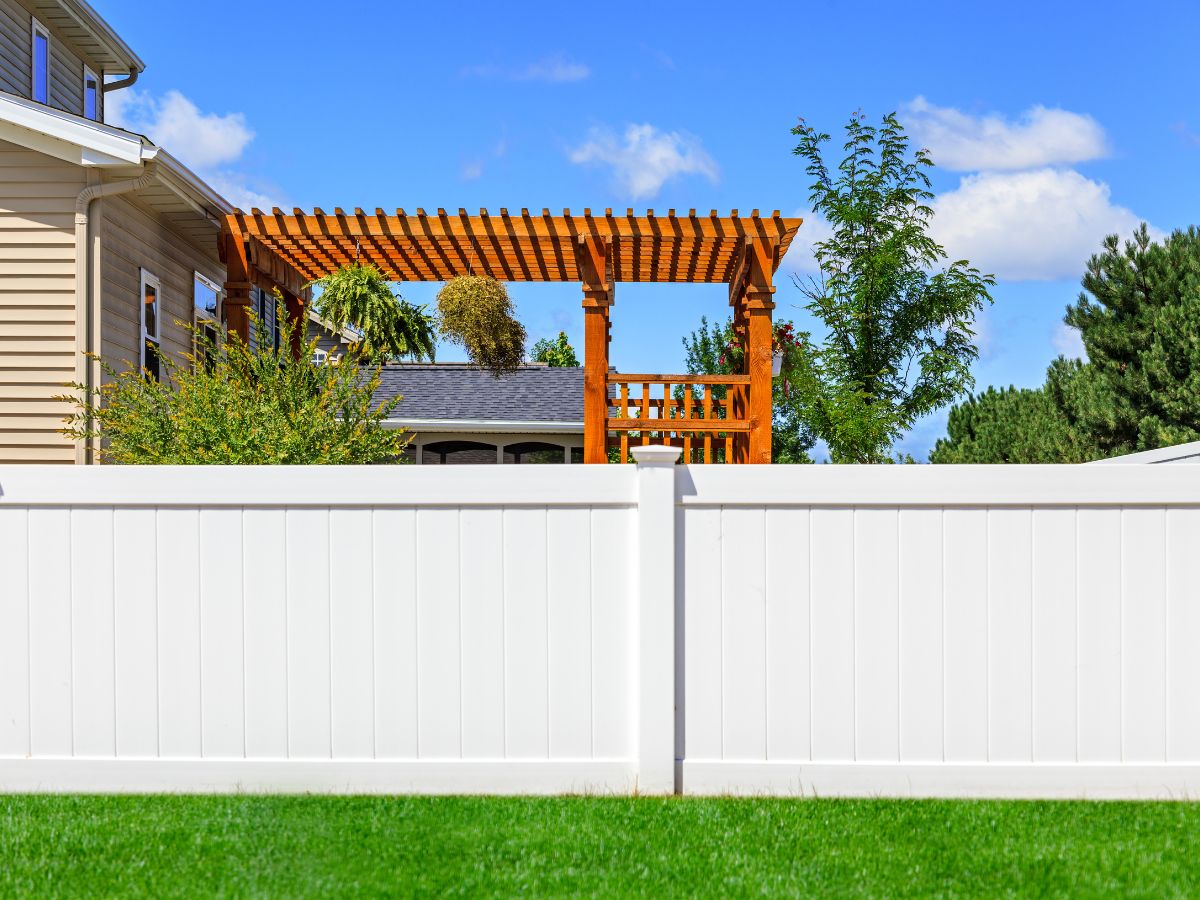
Living in a bustling neighborhood or near a busy highway can be convenient, but it often comes with a significant downside: unwanted noise. Whether it is the constant hum of traffic, loud neighbors, or nearby construction, noise pollution invades your sanctuary and disrupts your peace. If you find yourself constantly closing windows to block out the din, it might be time to consider a more permanent solution. Installing a noise reduction fence is one of the most effective ways to reclaim the tranquility of your home and outdoor spaces.
In this guide, we will explore the top benefits of adding this specialized fencing to your property. We will examine how it works, why it is a smart investment, and how it can enhance your overall quality of life.
What Is a Noise Reduction Fence?
Before exploring the benefits, it is helpful to understand exactly what we are discussing. A noise reduction fence, often called a sound barrier or acoustic fence, is designed specifically to block or deflect sound waves. Unlike a standard privacy fence that might have gaps or thin materials, these barriers are built with density and height in mind. They work by reflecting noise toward the source or absorbing it into the material itself.
How Does It Work?
Sound travels in waves. When these waves hit an object, three things can happen:
- They pass through the object.
- They are absorbed by the object.
- They are reflected by the object.
Standard wooden fences often allow sound to pass through gaps or vibrate through the thin wood. A high-quality noise reduction fence is built to prevent this transmission. It acts as a shield, forcing sound waves to bend over the top of the fence, a phenomenon known as diffraction. This creates a “sound shadow” behind the fence where noise levels are significantly lower.
1. Significantly Reduced Noise Pollution
The most obvious and impactful benefit is the reduction of environmental noise. While no fence can eliminate 100% of sound, a well-designed acoustic barrier can lower noise levels by 50% to 85%.
Think about the difference between shouting and whispering. A reduction of just 10 decibels is perceived by the human ear as cutting the noise in half. By installing a robust barrier, you can turn a backyard that sounds like a highway into a space where you can have a quiet conversation.
This reduction is particularly effective against:
- Traffic noise: Tire hum and engine sounds are effectively blocked by solid barriers.
- Neighborhood disturbances: Barking dogs, lawnmowers, and loud music from next door become background murmurs rather than interruptions.
- Industrial sounds: If you live near commercial zones, the constant drone of machinery can be dampened.
2. Enhanced Privacy and Seclusion
While the primary goal is sound control, a noise reduction fence offers superior privacy compared to traditional fencing options. Because these fences must be solid to block sound waves effectively, they contain no gaps, holes, or slats that someone could peek through.
Most acoustic fences are also taller than standard fences. Sound waves behave like water; they can spill over the top of a low barrier. To be effective, the fence needs to break the line of sight between the noise source and the receiver. This height requirement translates directly into better visual privacy for you and your family. You can enjoy your pool, patio, or garden without feeling like you are on display to the street or your neighbors.
3. Improved Physical and Mental Health
By installing a sound barrier, you are investing in your health. Lowering the ambient noise level in your environment can lead to:
- Reduced stress and anxiety: A quieter home promotes relaxation and lowers blood pressure.
- Better sleep quality: Sudden noises are a leading cause of sleep disruption. A fence dampens these spikes, helping you sleep more soundly.
- Improved concentration: Whether you work from home or just want to read a book in peace, a quieter environment boosts focus.
- Cardiovascular health: Studies have linked long-term exposure to traffic noise with an increased risk of heart issues.
Creating a peaceful refuge at home is essential for recharging your batteries, and acoustic fencing is a key tool in achieving that serenity.
4. Increased Property Value
Homebuyers put a premium on peace. If your home is located near a busy road or a commercial area, potential buyers might view the noise as a deal-breaker. A high-quality noise reduction fence transforms this negative into a positive.
When you install a professional acoustic barrier, you are adding a tangible asset to your property. It signals to buyers that the home is a private retreat. The curb appeal of modern sound fences is also high; they come in various styles and finishes that can complement your home’s architecture. This upgrade can differentiate your property in a competitive market, potentially increasing its resale value and decreasing the time it sits on the market.
5. Better Outdoor Living Experience
What is the point of having a beautiful backyard if it is too loud to enjoy? Many homeowners find themselves abandoning their patios or decks because the noise from the street makes relaxing impossible.
A sound barrier reclaims your outdoor square footage. Suddenly, your backyard becomes a usable extension of your living space. You can host dinner parties without shouting over passing cars. You can listen to the birds or a water feature instead of the neighbor’s air conditioning unit. It effectively adds another “room” to your house, one where you can enjoy fresh air without the auditory assault.
6. Security and Safety
The construction requirements for soundproofing make these fences incredibly sturdy. To block sound mass is required. This means the materials used, whether heavy timber, specialized composite, or masonry, are durable and strong.
This sturdy construction acts as a formidable physical barrier. It is much harder to breach a solid, tall acoustic fence than a flimsy chain-link or picket fence. This adds a layer of security to your home, deterring intruders and keeping pets and children safely contained within the yard. The lack of gaps also prevents pets from seeing triggers on the other side, which can reduce barking and agitation.
7. Versatility in Design and Aesthetics
In the past, sound barriers were often ugly concrete walls reminiscent of highway partitions. Today, that is no longer the case. Modern noise reduction fence options are designed with aesthetics in mind.
You can choose from a variety of materials and looks:
- Modular walls: These look like rendered brick or stone but are easier to install.
- Timber panels: Thick, interlocking wood panels offer a natural look.
- Composite fencing: Durable and low-maintenance, available in many colors.
- Clear acrylic: Used when you want to block noise without blocking a view or light.
You can also customize these fences with paint, texture, or climbing plants to integrate them seamlessly into your landscape design.
8. Durability and Longevity
Because they are built to be dense and heavy, acoustic fences are generally more durable than standard fencing. They are designed to withstand the elements and remain standing for decades.
Standard wooden fences often rot, warp, or blow over in high winds. A properly installed sound barrier is engineered to resist these forces. While the initial investment might be higher, the long-term maintenance costs are often lower because you won’t need to replace panels or posts every few years. This longevity ensures that your investment continues to pay dividends in peace for years to come.
9. Protection from Wind and Debris
A solid barrier does more than stop sound; it also stops wind. If your backyard is exposed to strong gusts, a fence can create a sheltered microclimate. This makes your outdoor space more comfortable on breezy days and protects your plants from wind damage.
Additionally, if you live near a road, your property is constantly bombarded by road dust, exhaust fumes, and debris. A solid fence acts as a shield, keeping your yard cleaner and the air quality slightly better within your perimeter.
FAQ: How Tall Should a Noise Reduction Fence Be?
To be effective, a noise reduction fence should be at least 6 to 8 feet tall. The general rule is that if you can see the source of the noise, you can hear it. The fence must be high enough to break the direct line of sight between the noise source (like a car engine or a neighbor’s patio) and your ears. The higher the fence, the larger the “sound shadow” it creates. However, always check your local zoning laws and HOA regulations regarding fence height limits before installation.
Choosing the Right Material
Not all materials are created equal when it comes to soundproofing. When shopping for a noise reduction fence, look for materials with high mass and density.
Wood
Thick, tongue-and-groove timber can be effective if there are no gaps. However, wood shrinks and expands with the weather, which can eventually create gaps where sound can leak through. It requires regular maintenance to remain effective.
Masonry (Brick, Concrete, Stone)
These are excellent at blocking sound due to their sheer mass. They reflect almost all noise. The downside is the cost and the difficulty of installation. They also require a substantial foundation.
Composite and PVC
Modern composite fence materials are engineered for sound absorption and reflection. They are often dense, rot-proof, and designed to interlock perfectly to prevent gaps. These offer a great balance of performance, aesthetics, and maintenance.
Modular Walls
These systems use panels mounted between posts. They mimic the look of masonry but are lighter and easier to install. They often have a core material specifically designed to dampen sound vibrations.
Installation Matters
Even the best noise reduction fence will fail if it is not installed correctly. The most critical factor is ensuring there are absolutely no gaps.
- At the bottom: The fence must sit flush with the ground. Sound waves are fluid; they will flow under the fence if there is space. Often, a concrete plinth or a buried bottom rail is used to seal this gap.
- Between panels: The connection between fence posts and panels must be airtight.
- Around corners: The fence should wrap around the sides of your property to prevent sound from flanking (going around) the ends of the barrier.
It is highly recommended to use professional installers who understand the principles of acoustics. They can assess the terrain and the noise source to position the fence for maximum efficiency.
Is It Worth the Investment?
When you weigh the costs against the benefits, the answer for most homeowners is a resounding yes. We live in an increasingly noisy world. As cities densify and traffic increases, finding quiet spaces becomes harder. Your home should be your sanctuary, a place where you can escape the chaos of the outside world.
A noise reduction fence is an infrastructure upgrade that improves your daily life immediately. It allows you to sleep better, stress less, and enjoy your home more fully. It turns a property that feels exposed and loud into a private estate. Whether you are looking to boost your property value or simply want to drink your morning coffee without hearing the commuter traffic, sound fencing is a practical, effective solution.
Taking the Next Step
If you are tired of the noise and ready to transform your property, it is time to look into professional solutions. Don’t settle for sleepless nights or a backyard you can’t enjoy. The technology exists to block out the world and create the peaceful haven you deserve.
For expert advice and high-quality fencing solutions that truly make a difference, contact Perimtectx today to discuss your project and reclaim your peace of mind.