
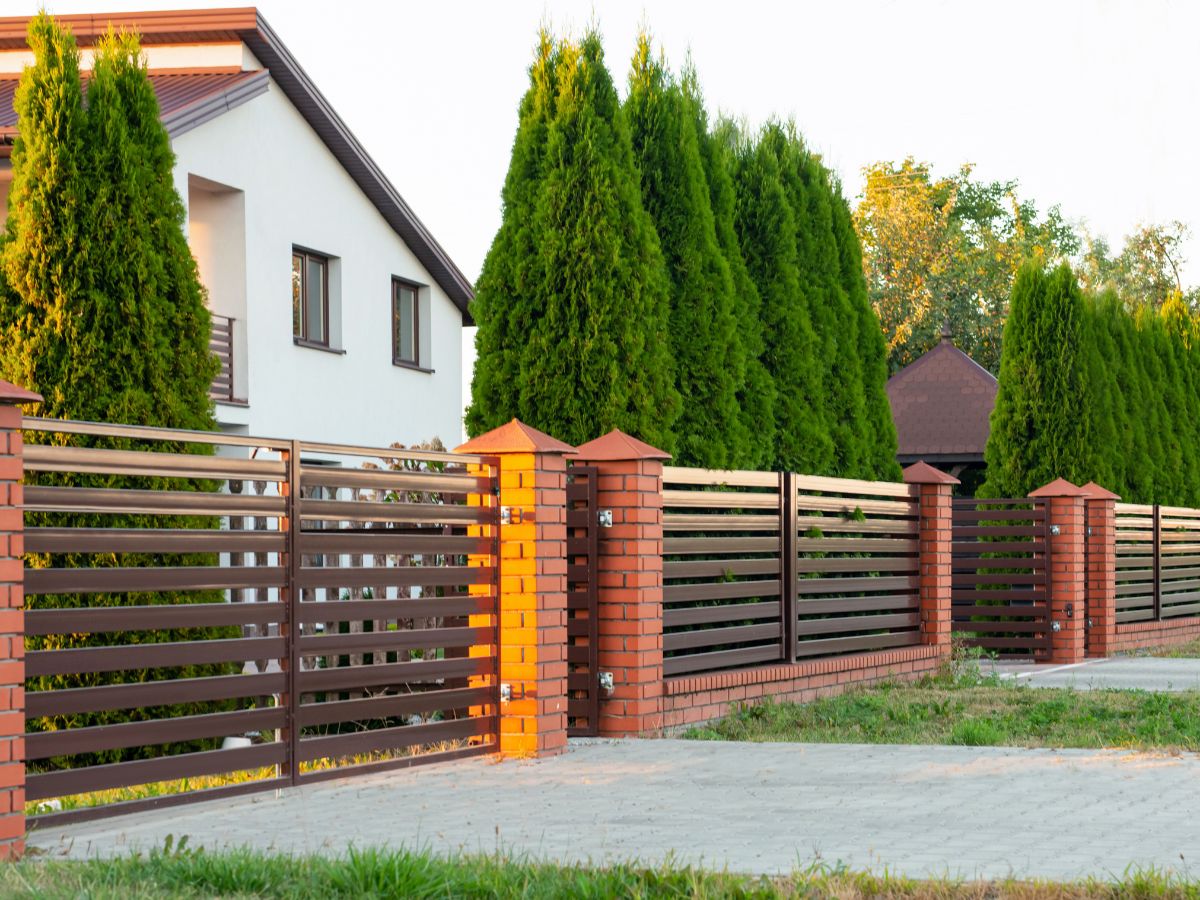
Most homeowners treat fencing as an afterthought. It is usually just a functional boundary line or a way to keep the dog from running off. But modern design trends are flipping that script. We are now looking at our yards as extensions of our living rooms, and the walls of that outdoor room matter just as much as the paint color in your kitchen. This is where horizontal fence panels come into play.
They are sleek, modern, and instantly change the vibe of a property. If you have been staring at tired, vertical pickets and wondering why your yard feels smaller than it actually is, the orientation of your fence might be the culprit.
In this guide, we will explore why this style is taking over neighborhoods, how it tricks the eye into seeing more space, and what you need to know before you start your own project.
Why Horizontal Fencing is Taking Over
For years, the go-to privacy fence followed a vertical layout. Homeowners installed wood or vinyl pickets upright, creating a straightforward boundary that served its purpose but rarely added character. Today, design preferences have shifted. Clean lines, open layouts, and seamless flow are shaping both interiors and exteriors, which is why horizontal fence panels have become such a popular choice.
By installing boards side by side instead of up and down, horizontal fence panels guide the eye across the yard rather than cutting the view short. The result feels smooth, cohesive, and noticeably more spacious.
The Visual Trick of Horizontal Lines
Think about clothing. Vertical stripes make you look taller; horizontal stripes make you look wider. The same principle applies to your yard. If you have a narrow backyard or a tight courtyard, vertical fencing can make it feel like a box or a cage.
Horizontal fence panels stretch the space visually. They lead the eye along the perimeter, emphasizing the length of the yard rather than its height limitations. This simple geometric shift can make a modest suburban lot feel significantly larger and more inviting.
Choosing the Right Materials
The look is one thing, but longevity is another. You cannot just nail any old plank sideways and hope for the best. Gravity works differently on horizontal boards. Without proper support, long wooden boards can sag over time. This is why choosing the right fence material is critical for both style and structural integrity.
Natural Wood
Wood is the classic choice. Cedar and redwood are popular because they resist rot naturally. However, if you go with wood, you need to be mindful of the span. If the posts are too far apart, those beautiful horizontal boards will bow in the middle after a few seasons of rain and sun. You often need a metal frame or very sturdy posts to keep everything crisp.
Metal and Aluminum
For a truly modern, industrial-chic look, metal is unbeatable. It is sleek and incredibly durable. Many homeowners are opting for aluminum systems because they don’t rust or warp.
One feature to look for in high-quality metal fencing is a powder-coated finish. This isn’t just paint; it is a dry powder applied electrostatically and then cured under heat. It creates a hard finish that is tougher than conventional paint. A powder-coated fence resists scratching, fading, and chipping, meaning your investment looks brand new for years without annual staining or painting.
Vinyl and Composite
If you want the look of wood without the maintenance, composite fence panels are a strong contender. They come in various colors and textures that mimic grain patterns. High-quality vinyl is also an option, though it can sometimes look a bit plastic if you aren’t careful with your selection. The benefit here is simple: you spray it down with a hose, and you are done.
Comparing Fencing Styles: Horizontal vs. Vertical
It helps to look at the direct comparison to understand why you might choose one over the other.
- Privacy: Both styles offer privacy, but horizontal panels often provide a more solid wall appearance. You can adjust the gap between boards to control airflow and visibility.
- Cost: Horizontal fences can sometimes be more expensive to install. They often require higher-grade lumber to prevent sagging or specialized metal posts and brackets.
- Maintenance: Vertical slats shed water easily. Horizontal boards can hold water if they aren’t angled slightly or if debris gets trapped between them. However, modern materials like metal or composite negate this issue almost entirely.
- Aesthetics: Vertical is traditional and rustic. Horizontal is contemporary and sophisticated.
If you are renovating a mid-century modern home or a new construction with sharp angles, vertical dog-eared pickets might clash with the architecture. A horizontal layout complements those fencing styles perfectly.
Key Components of a Sturdy Horizontal Fence
Understanding the anatomy of your fence will help you talk to contractors or plan your DIY project effectively. It is not just about the slats.
Posts and Framing
The posts are the backbone. In a horizontal setup, they are often visible and become part of the design element. Many designs use sleek black metal posts to contrast with warm wood slats.
The Bottom Rail
You rarely think about the bottom of the fence until it starts rotting. The bottom rail is the horizontal piece that runs along the ground. In vertical fencing, this holds the pickets up. In horizontal fencing, the bottom board or rail often takes the most abuse from ground moisture, weed whackers, and splashing mud.
It is crucial to keep the bottom rail slightly elevated off the ground or use a material specifically treated for ground contact. This prevents moisture from wicking up into the rest of the panel, which is a common cause of premature fence failure.
Caps and Trim
Finishing touches matter. Post caps prevent water from soaking into the end grain of wooden posts. Trim pieces cover the seams where the horizontal boards meet the posts, giving you that polished, furniture-grade look that makes neighbors jealous.
Does a Horizontal Fence Increase Home Value?
Horizontal fence panels can absolutely add value to your property. They enhance curb appeal and signal to potential buyers that the home feels updated and thoughtfully designed. While a fence alone may not close a sale, well-built horizontal fence panels create a premium hardscaping feature that stands out from basic builder-grade options. They help define the outdoor living space, add a sense of privacy, and give the yard a more refined, high-end feel, all of which can contribute to a strong return on investment.
Design Ideas to Transform Your Yard
Once you have decided on horizontal fence panels, the fun part begins. You don’t have to stick to a solid wall of wood. There are endless ways to customize the look.
Mixed Materials
Combine elements for a high-end look. Picture a stone base with horizontal wood slats on top. Or consider using gabion walls (wire cages filled with rocks) interspersed with sections of horizontal metal fencing. This breaks up the monotony and turns the fence into an art piece.
Varying Widths
Who says every board has to be the same size? You can create a unique rhythm by alternating wide and narrow boards. For example, use two six-inch boards followed by a two-inch board, then repeat. This “bar code” style adds texture and visual interest that standard fencing lacks.
Green Walls
Horizontal gaps are perfect for vertical gardening. You can hang planter boxes directly on the slats. Because the boards run sideways, it is easy to secure hooks or brackets. This softens the look of the fence and brings more greenery into your space, which is especially valuable in small urban courtyards.
Lighting Integration
Don’t let your beautiful fence disappear when the sun goes down. Horizontal fences catch light beautifully. Installing LED strip lighting under the top cap or small downlights on the posts can create a dramatic ambiance. It highlights the texture of the materials and makes the yard usable late into the evening.
Installation Considerations
If you are comfortable with tools, you may be thinking about installing horizontal fence panels on your own. It can absolutely be done, but this layout comes with a few unique challenges you will need to plan for carefully.
Precision is Key
With vertical pickets, if one is slightly crooked, it is hard to tell. With horizontal lines, levels are everything. If your ground is sloped, you have a decision to make. You can “step” the fence panels down the hill, keeping each section level, or you can “rack” the fence, following the slope of the ground.
Horizontal fences generally look best when stepped. Following the slope with horizontal lines can make the whole world feel tilted and can be visually disorienting. Stepping the panels creates a clean, architectural look that handles elevation changes gracefully.
Post Spacing
We touched on this earlier, but it bears repeating. You typically cannot span eight feet with a horizontal wood board without it sagging eventually. You may need to place posts every six feet or add a vertical support strip in the center of the span. If you are using a metal system designed for this purpose, you can often get away with wider spans because the materials are engineered for rigidity.
Wind Load
A solid horizontal fence acts like a sail. If you live in a windy area, you need to account for wind load. Leaving small gaps between the boards allows wind to pass through rather than pushing against the entire structure. This reduces the strain on your posts and keeps your fence standing during storms.
Maintenance Tips for Longevity
You have transformed your space, and it looks incredible. Now, how do you keep it that way?
Inspect the Fasteners
Wood expands and contracts with the seasons. This movement can loosen screws or nails over time. Once a year, walk the perimeter and check for any loose boards. Tightening a screw now saves you from replacing a warped board later.
Cleaning
Whether you have wood, vinyl, or powder-coated metal, it needs a bath occasionally. Dirt, pollen, and mildew can build up. A gentle wash with soapy water and a soft brush is usually enough. Avoid high-pressure power washing on soft woods, as it can damage the fibers.
Stain and Seal
If you chose natural wood, you need to protect it. UV rays turn wood gray, and moisture causes rot. Re-staining or sealing every two to three years keeps the color rich and the wood healthy. Be sure to check the bottom rail closely during this process, as it is the most vulnerable spot.
The Impact on Lifestyle
Upgrading to horizontal fence panels isn’t just a cosmetic fix; it changes how you use your yard. When you create a space that feels private and stylish, you are more likely to spend time there. It becomes a place for morning coffee, evening cocktails, or weekend barbecues.
The psychological effect of a well-designed boundary cannot be overstated. It creates a sense of sanctuary. In a busy world, having a designated retreat just outside your back door is invaluable. It frames your view, blocks out the chaos of the street, and sets the tone for relaxation.
Making the Investment
Budget always plays a role in any exterior upgrade. Horizontal fence panels are typically viewed as a premium choice because the materials can cost more, and the installation demands greater accuracy and skilled labor compared to a standard vertical fence.
That said, it is important to look beyond the upfront expense. A low-cost fence that needs replacement in a few years rarely saves money in the long run. Well-built horizontal fence panels, installed with quality materials, can last decades and deliver lasting value. On top of that, the modern curb appeal can positively impact your home’s equity. It is the kind of detail buyers notice right away, giving your property a custom, upgraded feel instead of a basic builder-grade look.
Conclusion
Your outdoor space has untapped potential. It is waiting for the right frame to define it. Horizontal fence panels offer that frame. They bring modern lines, spatial illusions, and a high-end finish that traditional styles just cannot match.
Whether you choose the warmth of wood or the durability of powder-coated aluminum, the result is a yard that feels bigger, looks better, and serves as a true extension of your home. Don’t settle for a barrier that simply marks your property line. Build a backdrop for your life.
If you are ready to explore premium fencing solutions that merge durability with modern design, Perimtectx offers the innovative systems you need to elevate your property.