
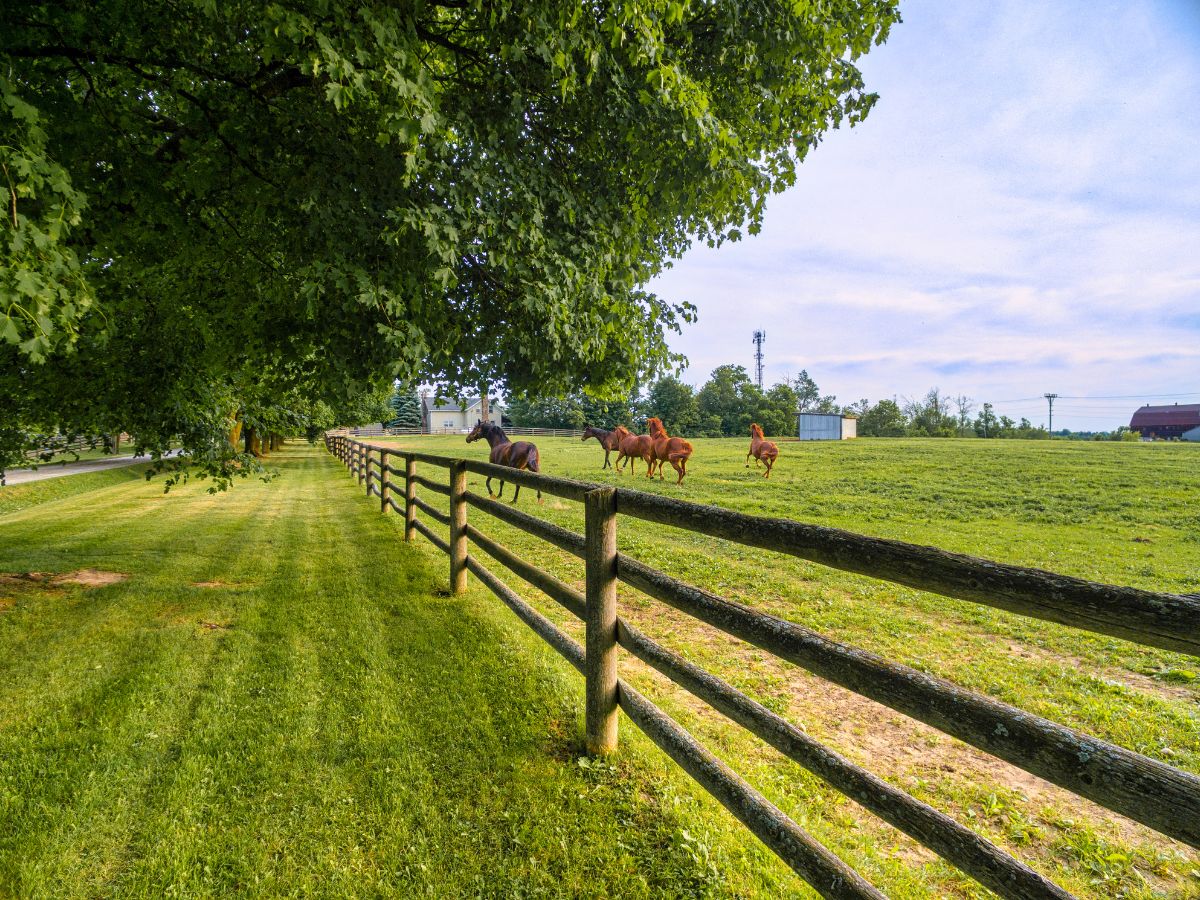
When you drive through the countryside, one image often comes to mind: rolling green hills bordered by a rugged, open fence. That fence is almost always a split rail wood fence. It has become an iconic symbol of rural living, but its popularity isn’t just about aesthetics. For centuries, farmers and ranchers have relied on this style of fencing for very practical reasons.
If you are managing a large property, a working farm, or a ranch, you know that fencing is a major investment. You need something that balances durability, cost, and functionality. While modern materials like vinyl or metal have their place, the classic split rail design continues to dominate the agricultural landscape. Let’s explore why this traditional wooden fence remains the top choice for enclosing vast acres of land.
The Enduring Appeal of Rustic Fencing
There is something undeniable about the charm of natural wood. A split rail wood fence blends seamlessly into the environment rather than standing out against it. Unlike stark white vinyl or industrial chain link, wood complements the trees, pastures, and barns that make up your property.
For many property owners, maintaining the visual integrity of the land is crucial. You want a barrier that defines your space without making it feel like a fortress. This is where rustic fencing shines. It provides a clear property boundary while maintaining an open, airy feel. You can see right through it to check on livestock or simply enjoy the view of the horizon.
This aesthetic value also translates to property value. A well-maintained wooden fence adds curb appeal that feels authentic to a farm or ranch setting. It signals to visitors and potential buyers that the land is cared for and respected.
Cost-Effectiveness for Large Properties
One of the biggest challenges when fencing a farm or ranch is the sheer scale of the project. Fencing a suburban backyard is one thing; enclosing 50, or even 500, acres is entirely different. When you are dealing with significant perimeter lengths, the cost per foot becomes the most critical factor in your decision.
A split rail wood fence is one of the most economical options available for large-scale applications. Here is why it saves you money:
- Fewer Materials: Because of its open design, split rail fencing requires less lumber than privacy fences or picket styles. You are essentially paying for the posts and the rails, with no need for hundreds of individual pickets or complex hardware.
- Simple Installation: The installation process is straightforward. It typically doesn’t require concrete for every post, depending on the specific style and soil conditions. This reduces labor costs and speeds up the timeline.
- Minimal Hardware: Traditional split rail fences often rely on the weight of the rails and the design of the posts to stay together. This means you aren’t buying thousands of screws, nails, or brackets.
For a rancher operating on a tight budget, these savings add up quickly. You can enclose a much larger area for the same price it would take to fence a small paddock with more expensive materials.
Livestock Fencing That Works
While cost and looks are important, a fence on a farm has a job to do. It needs to keep animals in and predators out. Split rail wood fences have a long history as effective livestock fencing, particularly for larger animals like horses and cattle.
Visibility is Safety
One of the key advantages of a wooden fence is visibility. Horses, in particular, are flight animals. If they get spooked and run towards a fence they cannot see well, like a thin wire fence, they can run right through it and injure themselves severely. A split rail fence presents a solid, substantial visual barrier. The animals can clearly see where the pasture ends.
Durability Against Impact
Large animals can be tough on infrastructure. Cattle might rub against posts to scratch an itch, and horses might lean over rails to reach greener grass on the other side. A quality split rail wood fence is robust. It offers enough resistance to discourage animals from pushing through, yet it has a slight amount of “give” that prevents it from shattering instantly upon minor impact.
Easy Modifications for Smaller Animals
While the wide gaps in a standard two or three-rail fence are perfect for horses, smaller livestock like sheep or goats might slip through. The beauty of this system is its adaptability. It is incredibly easy to attach wire mesh or “hog wire” to the inside of the rails. This creates a secure barrier for smaller animals without sacrificing the strength and look of the primary wooden structure.
Durability and Longevity of Wood
Critics often point to the fact that wood can rot, but modern treatments and timber selection have largely mitigated this issue. When you choose the right materials, a split rail wood fence can last for decades.
Many farm fences are constructed from naturally rot-resistant woods like cedar or black locust. These woods contain natural oils and tannins that repel insects and resist moisture damage. Alternatively, pressure-treated pine is a popular, cost-effective choice that is chemically treated to withstand the elements for 15 to 20 years or more.
Because the design is so simple, there are fewer places for water to pool and cause rot compared to the complex joinery found in decorative fences. The rails are usually inserted into holes in the posts or stacked in a zigzag pattern, allowing for good airflow and drainage. This natural ventilation keeps the wood drier and extends the life of your investment.
Ease of Repair and Maintenance
On a working farm, maintenance is a fact of life. Equipment breaks, storms blow through, and accidents happen. If a tree branch falls on a chain-link fence, the metal stretches and bends, often requiring you to cut out and replace a large section of the mesh and potentially reset posts.
Repairing a split rail wood fence is remarkably simple. If a rail breaks, you don’t need to disassemble the entire fence line. You simply slide the broken rail out of the post and slide a new one in. It is often a one-person job that takes ten minutes.
This modular nature is a huge advantage for busy ranchers. You don’t need to hire a contractor every time a rail snaps. You can keep a small stock of spare rails in the barn and handle repairs as they arise. Over the years, this ease of maintenance saves countless hours and dollars.
Defining Your Property Boundary
Clear boundaries are essential in rural areas. You need to know where your land ends and your neighbor’s begins to avoid disputes over grazing rights, hunting access, or liability.
A split rail wood fence serves as a definitive property boundary marker. It is substantial enough to be respected but friendly enough not to incite hostility. In many rural communities, building a high, solid wall on a property line can be seen as unfriendly or aggressive. A split rail fence, however, fits the cultural norm of shared open spaces while still firmly delineating ownership.
Furthermore, the zigzag or “worm fence” style of split rail fencing doesn’t even require digging holes. The weight of the stacked rails holds the fence in place. This is incredibly useful in rocky terrain where digging postholes is difficult or impossible. It allows you to mark boundaries over difficult ground where other fence types would fail.
Eco-Friendly Fencing Option
Farmers and ranchers are the original stewards of the land. Sustainability matters. When the lifespan of your fence is eventually over, a wooden fence is biodegradable. It will not sit in a landfill for thousands of years like plastic or vinyl.
Additionally, the sourcing of materials for rustic fencing often has a lower carbon footprint. The wood is frequently sourced locally, reducing transportation emissions. The processing required to turn a log into a split rail is minimal compared to the energy-intensive manufacturing processes of steel or PVC.
FAQ: How Long Does a Split Rail Fence Typically Last?
With proper installation and maintenance, a split rail fence made from pressure-treated pine or cedar can last anywhere from 15 to 30 years. Factors like soil moisture, local climate, and wood species will influence this lifespan. Regular inspections and replacing damaged rails promptly will help maximize its longevity.
Versatility in Design
While we often think of the classic two-rail or three-rail look, split rail fencing offers surprising versatility. You can customize the height and density of the fence to suit your specific needs.
- Two-Rail Fences: These are primarily decorative or used for defining boundaries where livestock containment isn’t the primary goal. They are low-profile and economical.
- Three-Rail Fences: This is the standard for horses and cattle. The extra rail adds height and reduces the size of the gaps, making it more secure.
- Four-Rail Fences: For areas requiring higher security or for animals that are prone to jumping, a four-rail design offers maximum containment and a formidable visual barrier.
You can also choose between different post styles. The “mortise and tenon” style involves rails fitting into holes cut into the posts, offering a cleaner, more finished look. The “stacked” style relies on overlapping rails held in place by gravity or simple supports, offering the most rustic and traditional appearance.
Adding Value to the Farm Life
Fencing is more than just infrastructure; it frames your life on the farm. It is the backdrop for family photos, the barrier that keeps your prize mare safe, and the line that welcomes you home after a long day.
Choosing a split rail wood fence is a decision to honor tradition while making a smart economic choice. It acknowledges that while farming methods change, some solutions were perfected long ago. The rugged durability, the ease of repair, and the natural beauty of wood make it the superior choice for anyone managing acreage.
Whether you are running a commercial cattle operation or keeping a few horses for pleasure, the peace of mind that comes with a solid fence is invaluable. You know your animals are safe, your land is defined, and your property looks its best.
Conclusion
When you weigh the factors of cost, durability, aesthetics, and functionality, it becomes clear why split rail wood fences are perfect for farms and ranches. They offer a solution that is tough enough for livestock yet beautiful enough for a country estate. They respect the landscape rather than dominating it, and they respect your wallet by being affordable to install and easy to fix.
If you are ready to upgrade your property with fencing that stands the test of time, you need a partner who understands the unique needs of Texas landowners. From selecting the right timber to expert installation, getting the job done right the first time is essential for a fence that lasts decades.
For professional guidance and installation of your next project, reach out to Perimtectx. They can help you secure your perimeter with quality and style.